The importance of checking your tyre pressure

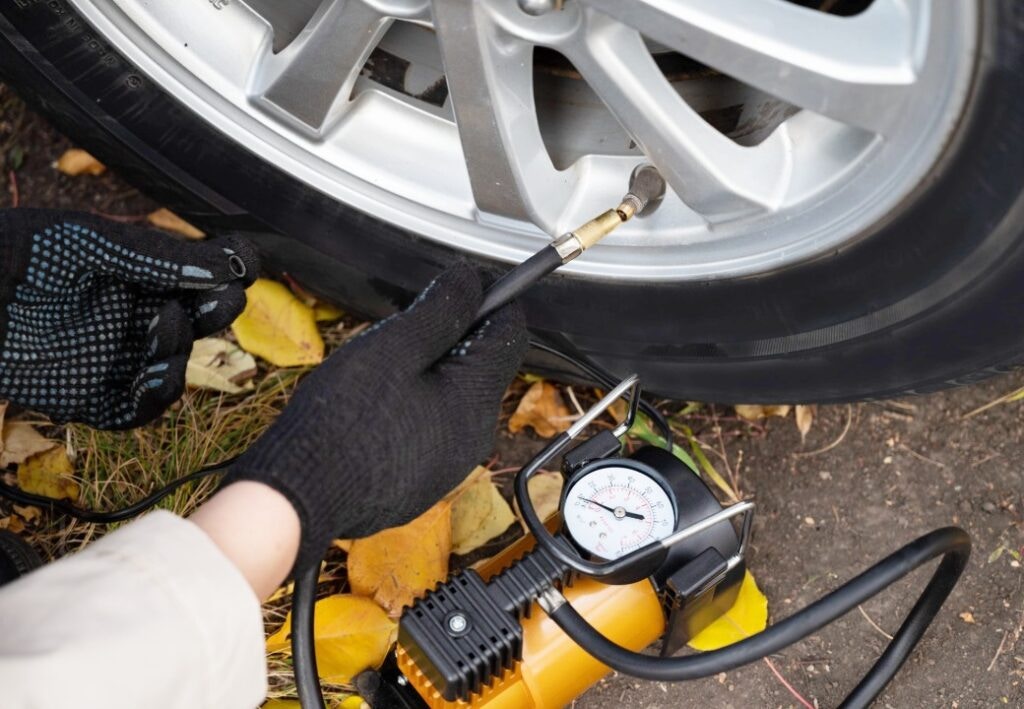
If you’re anything like most drivers, checking tyre pressure probably isn’t at the top of your weekly to-do list. It’s one of those little car-care jobs that’s too easy to ignore. But tyre pressure massively affects how your car drives, how safe you are, and even how much money you spend on fuel. Once you understand the reasons behind it, checking your tyres regularly becomes a no-brainer.
When you come to sell your car, having a set of tyres in good condition can help with resale value, and can also indicate that you have invested more time and care into the rest of the vehicle maintenance, too.
Read on for our guide on maintaining your tyre pressures to help maximise both your money and your car’s resale value. And, if you’re ready to sell, get your free, instant valuation here.
- How do I find my correct tyre pressures?
- How do I check my tyre pressures?
- What is the difference between PSI and BAR?
- How do I inflate my tyres?
- What do correctly inflated tyres mean for me financially?
- What are the benefits of regularly checking my tyre pressure?
- Further FAQs
How do I find my correct tyre pressures?
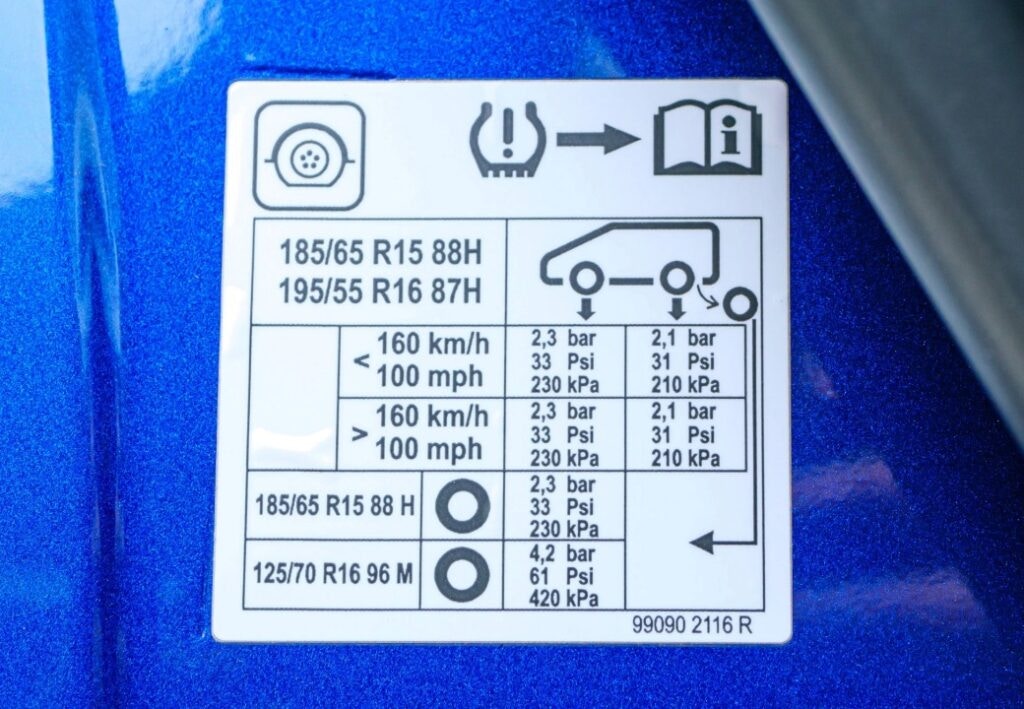
The correct tyre pressure for your car is set by the manufacturer and is specific to your vehicle, not the tyres themselves. You can usually find this information on a sticker inside the driver’s door frame, along the door pillar, or inside the fuel filler cap. It will also be listed in your vehicle’s owner’s handbook.
These figures may show different pressures for the front and rear tyres, and sometimes separate recommendations for light loads versus fully loaded driving, for example, just before you go on a family holiday. It’s important to follow these guidelines rather than the pressure printed on the tyre itself – this refers to the maximum pressure the tyre can safely handle, not the pressure you should be driving on day to day.
How do I check my tyre pressures?
To check your tyre pressure, you’ll need a tyre pressure gauge. Many petrol stations have digital air machines that display the pressure automatically, or you can use a handheld gauge at home for regular checks. For the most accurate reading, tyre pressures should be checked when the tyres are cold, ideally before you’ve driven or after the car has been parked for a few hours.
Remove the valve cap from the tyre and firmly press the gauge onto the valve. The gauge will display the current pressure, allowing you to compare it with the manufacturer’s recommended level. It’s a good idea to check all four tyres, as well as the spare if your car has one, at least once a month and before any long journeys.
Some cars have in-built monitoring, called a Tyre Pressure Monitoring System (TPMS). This system uses sensors to track tyre pressure while you’re driving and alerts you on the dashboard if a tyre drops below a safe level. It’s designed to give you an early warning so you can address the issue before it affects safety or causes further damage. While TPMS is a helpful safety feature, it doesn’t replace regular manual checks, as it may not alert you to gradual pressure loss or over-inflation.
What is the difference between PSI and BAR?
PSI and BAR are simply two different units used to measure tyre pressure. PSI stands for pounds per square inch and is the most commonly used measurement in the UK and on tyre pressure gauges. BAR is a metric unit and is more common in Europe.
To put it simply, 1 BAR is equal to approximately 14.5 PSI, but you shouldn’t need to remember that. Your vehicle handbook or the sticker inside the driver’s door will usually list the correct tyre pressure in PSI, BAR, or sometimes both, so it’s important to match the unit shown on your gauge.
How do I inflate my tyres?
If your tyres are underinflated, inflating them is quick and simple. Most petrol stations have air pumps that allow you to set the desired pressure before adding air. Attach the pump hose securely to the tyre valve and add air in short bursts, checking the pressure as you go until it matches the recommended level. When you’re at the right level, the machine will beep, and job done.
If you accidentally over-inflate a tyre, you can release excess air by gently pressing the metal pin inside the valve. Once all tyres are correctly inflated, make sure you replace the valve caps to help protect against dirt and moisture. Keeping your tyres properly inflated helps improve safety, handling and fuel efficiency, and can also reduce uneven tyre wear over time.
What do correctly inflated tyres mean for me financially?
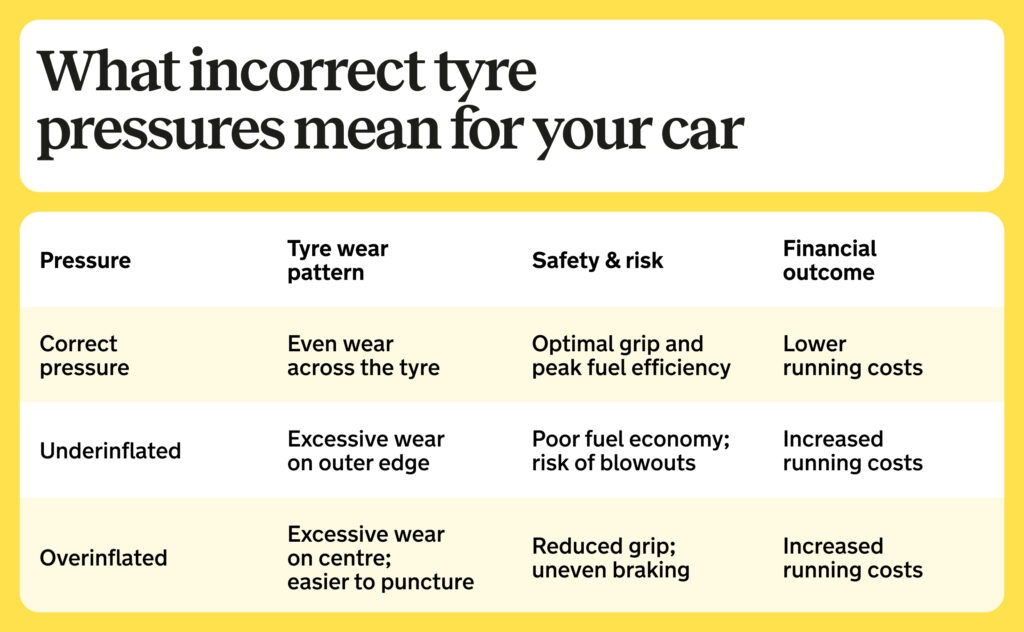
Driving with incorrectly inflated tyres can cost you more than you might expect over time. Underinflated tyres create more rolling resistance, meaning your engine has to work harder to keep the car moving. This leads to higher fuel consumption and increased fuel costs, particularly on longer journeys or at motorway speeds. Even slightly low tyre pressure can have a noticeable effect on your miles per gallon.
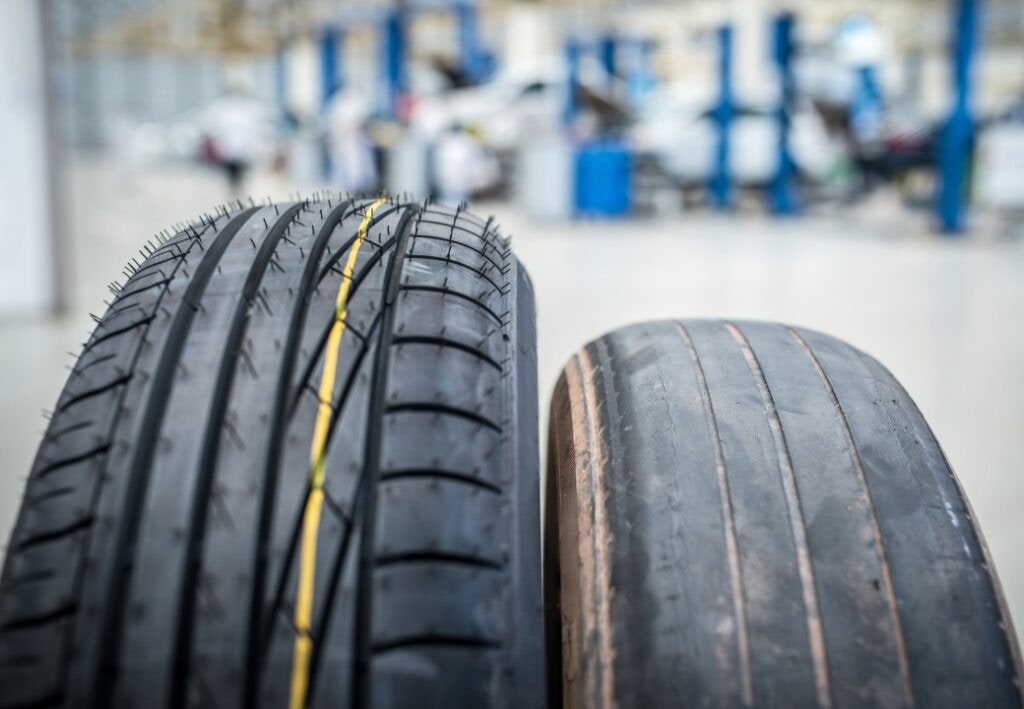
Overinflated tyres can be just as costly in the long run. Excess pressure causes the centre of the tyre to wear out faster than the edges, shortening the tyre’s lifespan and increasing the likelihood of needing to replace them.
Both over- and under-inflation can also lead to uneven tyre wear, making tyres noisier, less comfortable and more likely to fail an MOT. By keeping your tyres at the correct pressure, you can extend their lifespan, improve fuel efficiency and avoid unnecessary repair or replacement costs.
What are the benefits of regularly checking my tyre pressure?
Keeping your tyres at the right pressure will result in a better and safer driving experience.
1. Better safety on the road
Tyres are the only part of your car that actually touch the ground, so when they’re not inflated properly, everything else is affected.
Underinflated tyres can make your steering feel vague and reduce your car’s grip on the road. Overinflated tyres can reduce contact with the road surface and make your car skittish or unstable. Finally, Incorrect pressure increases stopping distances, especially in rain.
Long story short: the right pressure keeps your car planted, predictable, and safe.
2. Improved fuel efficiency
When tyres are underinflated, they create more rolling resistance, meaning your car has to work harder to move. That equals more fuel burned and more money leaving your bank account.
Keeping your tyres at the correct pressure is one of the quickest ways to boost fuel economy without changing anything about your driving style.
3. Longer tyre life
Tyres aren’t cheap, but poorly inflated tyres wear down much faster. Underinflated tyres wear on the edges, overinflated tyres wear in the centre. Both lead to uneven wear, shorter lifespan, and earlier replacements.
Maintaining the right pressure means the tyre surface touches the road evenly, giving you maximum mileage and saving you money in the long run.
4. Better handling and comfort
Ever driven a car that feels squishy or weirdly bouncy? That’s usually bad tyre pressures.
Correctly inflated tyres improve steering response, make braking smoother, reduce vibration and give you a more comfortable ride.
5. Helps avoid blowouts
A blowout – where your tyre can burst due to incorrect pressures – is dramatic, dangerous, and completely avoidable. Underinflated tyres build up heat quickly – especially at high speeds. Too much heat and pressure increase the risk of the tyre failing. Regular checks help you spot issues before they get risky.
6. Weather changes can mess with your tyres
A quick but important point: tyre pressure drops when the temperature drops. For every 10°C fall in temperature, your tyre pressure can drop around 1-2 PSI. That means autumn and winter are prime times for sudden underinflation. Regular checks stop you being caught out.

Checking your tyre pressure regularly is one of the easiest car maintenance habits you can build. It keeps you safer, saves you money, and improves how your car feels to drive. Think of it as a tiny task with outsized rewards – your car (and your wallet) will thank you for it.
Further FAQs
When does it become too dangerous to run old tyres?
Tyres can become unsafe due to age, wear or damage. In the UK, the legal minimum tread depth is 1.6mm across the central three-quarters of the tyre, but safety experts recommend replacing tyres once tread drops below 3mm, especially for wet weather driving.
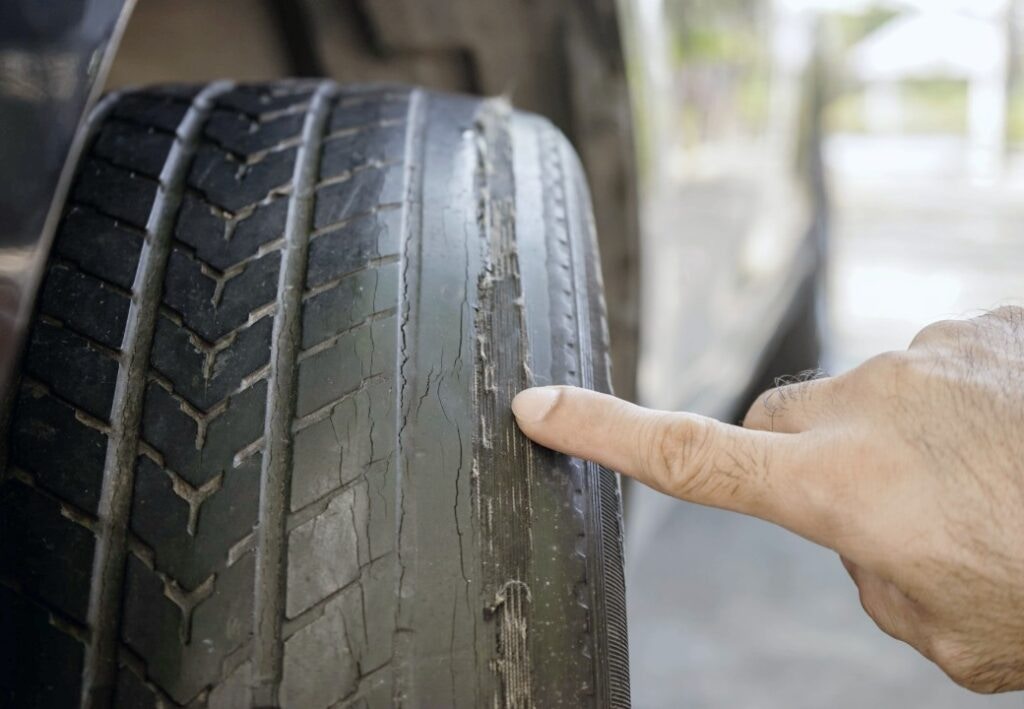
Age matters too. Even if the tread looks fine, tyres generally start to degrade after around five to six years due to changes in the rubber compound. Cracks in the sidewall, bulges or frequent loss of pressure are all signs your tyres may no longer be safe. Driving on old or worn tyres increases stopping distances and the risk of a blowout, so it’s worth checking them regularly.
Should I adjust my tyre pressure in summer or winter?
Yes, tyre pressure should be checked and adjusted all year round. Tyre pressure naturally drops in colder weather and can increase slightly in warmer temperatures. As a rule of thumb, tyre pressure decreases by around 1 to 2 PSI for every 10°C drop in temperature.
In winter, this means tyres are more likely to be underinflated, which can affect handling, fuel efficiency and tyre wear. In summer, over-inflation is less common but still possible, especially on long journeys. The best approach is to check your tyre pressure at least once a month and before long drives, always following the manufacturer’s recommended levels rather than seasonal guesswork.
If I’m selling, should I replace worn tyres or leave them for the dealer?
It depends on the condition of the tyres and the value of your car. If your tyres are below the legal tread limit or clearly unsafe, replacing them can help avoid issues during the sale process and may make your car more attractive to buyers.
However, if the tyres are legal but nearing the end of their life, it is often not worth fitting brand new ones purely for resale. At Motorway, our dealer partners price cars based on their overall condition, including tyre wear, so being honest about the condition of your tyres is usually the best option. In many cases, leaving tyre replacement to the dealer makes more financial sense for private sellers.
Ready to get selling? Head to motorway.co.uk for your free, instant valuation today.
The information provided on this page is for general informational purposes only and should not be considered as professional advice.