When’s the best time to buy a used car?

Timing can make a real difference to what you pay for a used car. The best time to buy is usually at the end of the month, when dealers are working to hit their sales targets. But the single smartest move? Start looking before you actually need to buy. When you shop without pressure, you can track prices, compare options, and wait for the right deal to come along.
Shopping during the winter months, or just after a new model launches, can also work in your favour as demand shifts and prices soften. Seasonal promotions and market trends play a part too.
Key Takeaways
- Target Deadlines: The end of the month and financial quarters (March, June, September, December) are ideal as dealers strive to meet sales targets.
- Cheapest Month: December is typically the most affordable month due to end-of-year clearances and lower holiday demand.
- Plate Changes: March and September bring new number plates, increasing used car inventory and lowering prices on older models.
- Buy Out of Season: Purchase convertibles in winter and 4x4s in summer to take advantage of lower seasonal demand.
- New Model Launches: When a new version of a car is released, the previous generation’s used value typically drops.
Read on to learn exactly how timing affects the price of second-hand cars, and how to use it to your advantage.
- Understanding the best times to buy a used car
- Comprehending how dealers think
- The best times to buy different car types
- Understanding market fluctuations
- FAQs
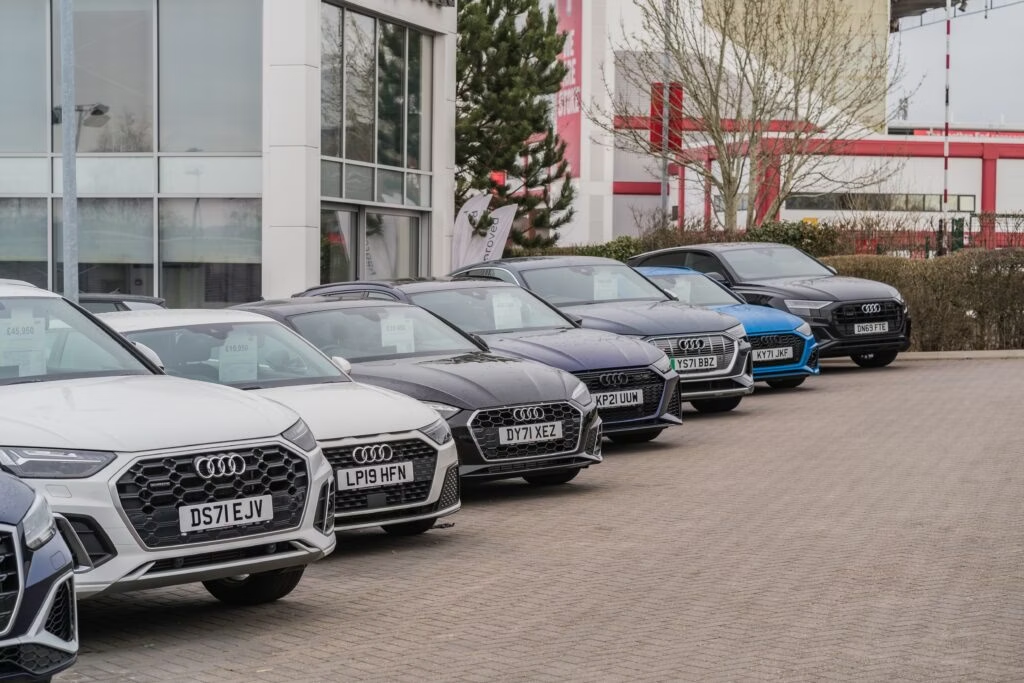
What drives used car prices throughout the year
The impact of new number plate releases
New number plates , typically released in March and September, influence the used car market. Older models become less attractive, leading to a drop in their value.
Dealers may offer better deals on pre-plate change vehicles to clear space for newer stock. Buyers looking for savings can benefit from this period by securing lower prices on models with older plates as demand shifts to the latest ones.
How seasons affect used car prices
Seasonal trends play a crucial role in used car pricing.
🌨️ Winter often sees lower prices overall as demand dips and dealerships face slower footfall. That said, 4x4s and SUVs can buck this trend, with prices holding firm or even rising as buyers look for something that handles well in colder, wetter conditions.
☀️ Spring and summer bring higher demand across the board, especially for convertibles and sporty models.
End-of-year clearances and festive promotions can also create useful windows for savings. Keeping these seasonal patterns in mind helps you time your purchase around the type of car you’re after.
End of financial quarters
Dealerships are often eager to meet sales targets and clear out inventory at the end of financial quarters in:
🌧️ March
☀️ June
🍃 September
🌨️ December
This urgency can lead to significant discounts and better negotiating opportunities for buyers. Dealers may offer promotions or be more flexible on price to boost their quarterly numbers, making it a prime time to secure a good deal on a used car.
Buying during holiday periods
Holiday periods like Christmas, Easter, and bank holiday weekends can be a good time to find deals on used cars. Dealerships may run special promotions to attract shoppers during these quieter spells.
With fewer buyers browsing, you face less competition and may find dealers more willing to negotiate. One thing worth noting: some dealerships reduce their hours or run with fewer staff on public holidays, so it’s worth checking online or calling ahead before making a trip.
Keep an eye on holiday sales events. Less demand and more flexible pricing can work in your favour.
How dealers think about sales targets
How bank holidays influence dealer inventory and pricing
Major public holidays can significantly impact dealer inventory and pricing. On these days, dealers often hold special promotions and discounts to attract buyers, aiming to boost sales during quieter periods.
Plus, with fewer customers visiting dealerships, inventory may build up, leading to potential price reductions as dealers seek to clear stock. This creates an opportunity for buyers to find bargains and negotiate better deals.
Why quieter market periods can work in your favour
Quieter periods in the used car market, such as during major public holidays or winter months, offer distinct advantages for you as a buyer. With fewer people shopping, dealers may be more willing to negotiate on price and work harder to move inventory.
Weekdays are worth considering too, especially earlier in the week. Dealerships tend to be much quieter on a Monday or Tuesday than on a Saturday, which means sales staff have more time to focus on finding you the right car at the right price.
This reduced competition, whether seasonal or simply down to the day of the week, can lead to lower prices and more favourable terms.
The best times to buy different car types
When to buy a convertible or family car
Convertible cars are usually more popular in spring and summer when the weather is perfect for driving with the top down. The best time to buy a convertible is towards the end of summer or early autumn when demand drops and prices tend to follow.
Demand for family cars peaks during the back-to-school season and the winter holidays. The best time to purchase a family car is during quieter periods, like late winter or early spring, when deals are more favourable.
If you’re looking at a 4×4 or SUV, keep in mind that demand often rises heading into autumn and winter as buyers look for something that handles well in poor weather. Shopping for these models in spring or summer, when fewer people are thinking about wet roads and cold mornings, could help you find a better price.
How the seasons impact specific car models
The different seasons significantly affect the pricing of specific models. Depending on seasonal demands, buyers can benefit from lower prices, get better deals, and know when not to look to buy particular used cars. For instance:
| Car Type | Peak Demand (Higher Prices) | Best Time to Buy (Lower Prices) |
| 4x4s & SUVs | Winter (Adverse weather) | Summer |
| Convertibles & Sports Cars | Spring & Summer | Autumn & Winter |
| Family Cars | Back-to-school / Winter Holidays | Late Winter / Early Spring |
How the wider market affects used car prices
Do new model launches mean lower prices on older cars?
New model launches often present a prime opportunity for used car buyers. When manufacturers release new or redesigned models, older versions typically depreciate as buyer attention shifts to the latest offerings.
This can lead to noticeable discounts on used cars as dealerships work to clear out older inventory. There’s another benefit too: new model launches tend to generate a wave of trade-ins and part-exchanges, which means more used stock becomes available. More choice and lower prices is a strong combination.
If you know a new model is on the way for the car you’re interested in, it’s worth timing your search around that launch.
How economic trends influence the used car market
Economic trends, such as inflation and interest rate changes, have a direct effect on the used car market. Higher interest rates increase financing costs, which can cool demand for both new and used cars.
Broader factors matter too. Disruptions to new-car supply chains and trade policies, such as tariffs on imported vehicles, can restrict the flow of new cars into the market. When fewer new cars are available, more buyers turn to used models, pushing prices up. When supply catches up, prices can soften again.
Keeping an eye on these wider trends helps you spot the right moment to buy. If demand is cooling or supply is growing, you’re in a stronger position to negotiate.
FAQs
What’s the cheapest month to buy a used car?
December is typically one of the cheapest months to buy a used car. Dealers push to hit end-of-year sales targets, which often leads to stronger discounts and more room to negotiate.
In the UK, March and September are also worth targeting. These are the months when new number plates are released, so dealers are keen to move older-plate stock to make room for incoming cars. That shift in demand can mean lower prices for you.
Are used car prices falling in the UK?
Used car prices in the UK have generally eased from the highs seen in recent years, as supply has improved and demand has softened in some segments. That said, prices can still vary significantly depending on the make, model, mileage, and time of year.
The most reliable way to know what your target car is worth right now is to track live market data and compare prices across multiple listings before you commit.
What is the 20/4-10 rule for buying a car?
The 20/4-10 rule is a general budgeting guide to help you avoid overstretching on a car purchase. It suggests:
- Put down at least 20% of the car’s price upfront
- Finance the rest over no more than four years
- Keep your total monthly motoring costs (finance repayment, insurance, fuel, tax) under 10% of your monthly take-home pay
The rule originated in the US, but the underlying logic applies here too. A larger deposit reduces the total interest you pay, a shorter loan term means you own the car sooner, and capping your motoring costs at 10% of your income keeps your budget healthy. Use it as a starting point, not a strict formula — your circumstances may mean adjusting each figure.
Is it better to buy a used car at the end of the month?
Generally, yes. Dealers work towards monthly sales targets, and as the end of the month gets closer, there’s more incentive for them to close deals and be flexible on price. The same principle applies at the end of each financial quarter — March, June, September, and December — when the pressure to hit targets is even greater.
That doesn’t mean you’ll always get a discount just by showing up late in the month. But if you’re in a position to negotiate, timing your visit to the final few days gives you a better chance of finding a dealer willing to move on price.

Thinking of buying a used car?
Got your eye on a second-hand car but not sure you know all you need to know about buying it? Worry no more! Our guides on purchasing used vehicles will help you avoid getting stung when it comes to handing your money over.
The information provided on this page is for general informational purposes only and should not be considered as professional advice.