Understanding an electric vehicle’s battery health
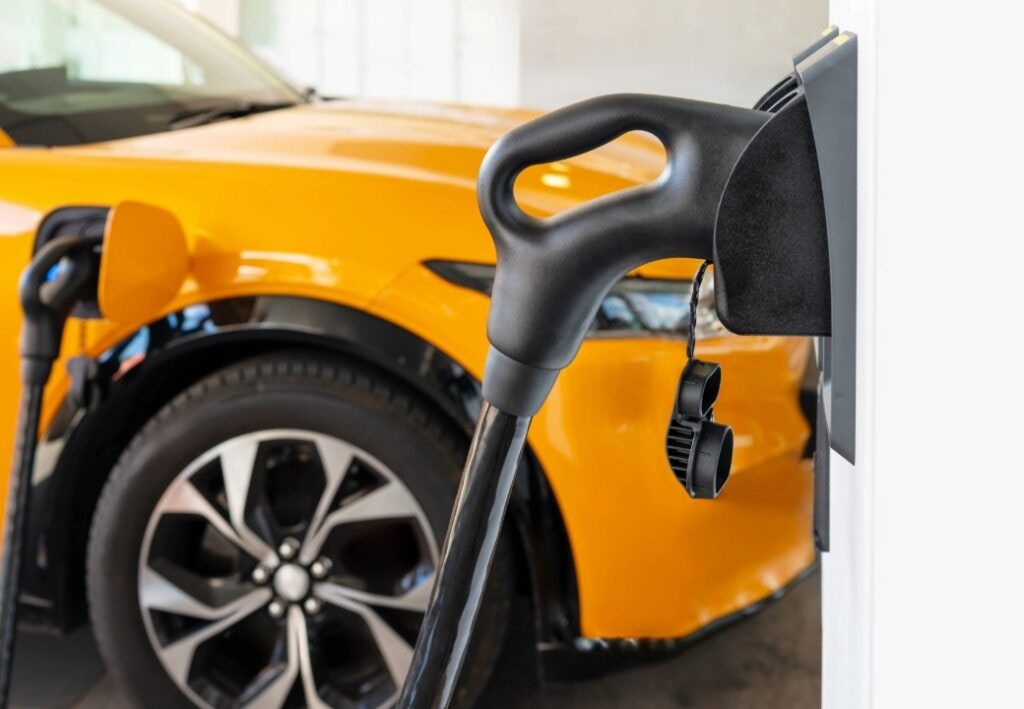
One of the key areas of consideration when buying an electric vehicle is the longevity of the battery life. Like an old mobile phone, the more you use your electric car and the more you charge it, the more impact it can have on both the battery life and its health.
That said, car manufacturers are confident in the life of their batteries, and claim they can last between 10 and 20 years. Many brands also offer warranties for their batteries of up to eight years or 100,000 miles, so you know you’ve got some serious miles under your wheels.
So how do you know if your EV has a healthy battery? And what should you look for if you’re wanting to buy a second-hand EV yourself?
Don’t forget, Motorway buys cars, including electric vehicles, in all kinds of conditions, so you can still get a great price when you sell with us. Get your free, instant valuation here.
- What is SOH?
- Why should I look after my car’s battery?
- How can I maximise battery health?
- How can I prove how much battery health my car has left?
- How do I get a battery health certificate?
- FAQs
What is SOH?

When people talk about an electric car’s battery condition, they’re often referring to something called State of Health, shortened to SOH. Put simply, it’s a way of showing how much of the battery’s original capacity is still available compared with when it was new.
As batteries age and are used, they naturally lose a small amount of capacity over time, which can affect range and performance. A higher SOH means the battery can still store and deliver energy efficiently, while a lower SOH indicates more wear and reduced usable capacity. It’s not about whether a battery is “good” or “bad”, but about understanding how much life and value it has left.

Why should I look after my car’s battery?
The battery is the most expensive component by a long way, and the biggest factor in how much your EV is worth now and in the future. So it’s no surprise that when buyers look at used electric cars, the battery is usually the first thing on their mind.
It’s important to keep your battery in great shape so you can maximise the value of your next sale or upgrade with confidence. It’s also key to spot early warning signs and address battery issues before they snowball into something more costly. Understanding what’s going on with your EV’s battery keeps you in control and helps make sure your electric car stays an asset, not a liability.
How can I maximise battery health?

A healthy battery means strong range, reliable performance, and a car that holds its value far better over time. If you’re planning to sell or trade in your EV, a well looked-after battery can help you get the best possible price.
While modern EV batteries are designed to last for years, how you use and charge your car day to day can make a real difference to long-term performance and value. The good news is that maintaining a healthy battery is mostly about consistency rather than perfection.
Avoid charging to 100% all the time
Most manufacturers recommend keeping daily charging somewhere around 20% to 80%. Regularly filling the battery to the brim can speed up long-term degradation, especially if the car then sits fully charged for hours.
Use rapid charging sparingly
Rapid chargers – such as the high-speed chargers you’ll find at motorway service stations – are brilliant for long trips, but relying on them constantly can put extra heat and stress into the battery. For everyday use, slower home (or workplace) charging is much gentler.
Try not to run the battery completely flat
Letting your EV hit zero too often isn’t ideal. Plugging in before the battery gets very low helps reduce strain and keeps charging more efficient.
Be mindful of extreme temperatures
The heat and cold both affect batteries. Whenever possible, park in the shade during hot weather and use preconditioning while plugged in during winter to warm the battery before driving.
Keep software up to date
Battery management systems are clever, and manufacturers often improve them via software updates. Staying up to date can help optimise charging, efficiency, and long-term battery health.
Drive smoothly where you can
Hard acceleration and heavy braking use more energy and generate extra heat. You don’t need to drive like a saint, but smoother driving is easier on the battery over time.
How can I prove how much battery health my car has left?
An increasingly popular way to check your EV’s battery is to get a battery health certificate. A battery health certificate (sometimes called an SOH certificate) is a professional report that shows the true condition of an electric car’s high-voltage battery.
It measures things like how much capacity the battery still keeps compared with when it was new, the real-world range you’re likely to get, and whether there are any hidden issues. Sellers use these to give buyers confidence that the battery isn’t about to turn into a costly problem.
How do I get a battery health certificate?
Some larger dealers and used EV retailers offer battery health checks as part of their inspection process, because buyers have started expecting them. Additionally, a few independent specialists also offer SOH testing and a printed certificate for private sellers or buyers, although it’s worth calling ahead, because not every garage has the right tools yet. They plug a device into the car’s diagnostic port, run the test in minutes and produce a clear health report.
However, it’s usually not free. Prices vary depending on the provider, but many independent checks start around £60–£100 for a basic battery health report.
FAQs
What is a battery warranty?
An EV’s battery warranty is essentially a long-term safety net, but it’s often misunderstood. Rather than promising the battery will stay like new, the warranty usually guarantees that it won’t degrade beyond a certain level within a set time or mileage limit. For most manufacturers today, this is around eight years or 100,000 miles, whatever comes first.
If the battery’s capacity drops below that threshold during the warranty period, the manufacturer may repair or replace it. This provides valuable reassurance, especially in the early years of ownership, but it’s not a blanket cover for normal wear.
Understanding what the warranty does and doesn’t protect helps you make clearer decisions about how long to keep your EV and when it might make sense to sell, but varies by car brand.
What should I do if my battery health is already declining?
Don’t panic! All electric car batteries degrade gradually over time, and a small drop doesn’t mean anything is wrong or that an expensive replacement is around the corner. You should review your charging habits, such as not letting the battery run out to zero, and avoid using rapid chargers. You can also get a professional battery health check to get an independent view of where the battery stands and whether the decline is within normal expectations, which helps remove guesswork.
Additionally, you should speak to a dealer if the decline feels sharper than expected or is affecting range noticeably. Your battery may still be covered by a manufacturer warranty, and in some cases issues can be repaired or addressed without a full replacement.
Should I sell my car if the battery is getting worse?
Range degradation only really becomes a problem when it starts to affect how you use your car day to day. A small drop in range might be easy to live with, but there’s a tipping point where that loss begins to change routines, add inconvenience, or introduce constant range anxiety.
When your EV can no longer comfortably handle your regular commute or everyday trips without extra planning or charging stops, the battery moves from being a background concern to a practical and financial one.
If the cost of repairing or replacing the battery outweighs the remaining value of the car, continuing to run it may no longer make sense. Likewise, if reduced range means longer journeys now require extra charging stops and costs, the time, effort and inconvenience can quietly cancel out many of the savings that made going electric appealing in the first place.
For many owners, this tipping point comes as the battery warranty period is nearing its end. That’s often a natural moment to pause and reassess, because once that cover expires, any future battery issues become a personal financial risk. Even if the car still drives well, knowing the warranty safety net is about to disappear can change the calculation.
When does declining battery health become a financial liability?
Declining battery health becomes a financial issue when it starts to affect everyday usability or resale confidence. A small reduction in range is normal and often manageable, but once it begins to limit routine journeys, require extra charging stops, or trigger regular range anxiety, the cost-benefit balance shifts. This is especially true as a battery warranty nears its end, when the risk of future repair costs sits entirely with the owner and can weigh heavily on the car’s market value.
What should I prioritise when selling an EV – range or battery health?
In reality, buyers look at both, but battery health is the foundation. Range figures can vary depending on driving style, weather and conditions, whereas battery health provides a clearer picture of the battery’s underlying condition and long-term potential. A strong battery health reading reassures buyers that the range they see today is sustainable.
What should I look for if I want to buy a second-hand EV?
Start with the battery. Ask about its condition, how it’s been charged day to day and whether there’s any independent battery health report available. A clear picture of battery health tells you far more than mileage alone, and it helps you understand whether the range you see today is likely to hold up over time.
It’s also worth checking how much of the manufacturer’s battery warranty remains, as any remaining cover adds reassurance and can protect you from unexpected costs early in ownership. Finally, a full service history, up-to-date software, and clear answers about charging habits all help build confidence.
The information provided on this page is for general informational purposes only and should not be considered as professional advice.