Euro 7 regulations are coming – but what does that mean?
If you’ve started hearing more about Euro 7 and wondered what it actually means for your car, Motorway is here to help. Euro standards are emissions regulations set by the EU that limit how much pollution new vehicles are allowed to produce. Each new version tightens those limits, pushing manufacturers to make cleaner, more efficient cars.
Euro 7 is simply the latest step in that process, setting new rules for the next generation of vehicles, and will take effect in November 2026, after being delayed from July 2025.
Even though the UK is no longer part of the EU, European vehicle regulations still matter. Most manufacturers build cars to a single standard for multiple markets, and the EU remains one of the largest automotive markets in the world. Aligning with EU regulations makes it easier and more cost-effective for manufacturers to sell the same vehicles across borders, including in the UK.
But what does this mean for your existing car? And will these rules affect its value? Read on for our guide on all things emissions, and when you’re ready to sell, get your free, instant valuation here.
- What is the current emissions standard for vehicles?
- What about electric cars?
- What’s new about Euro 7?
- What else does Euro 7 take into consideration?
- FAQs
What is the current emissions standard for vehicles?
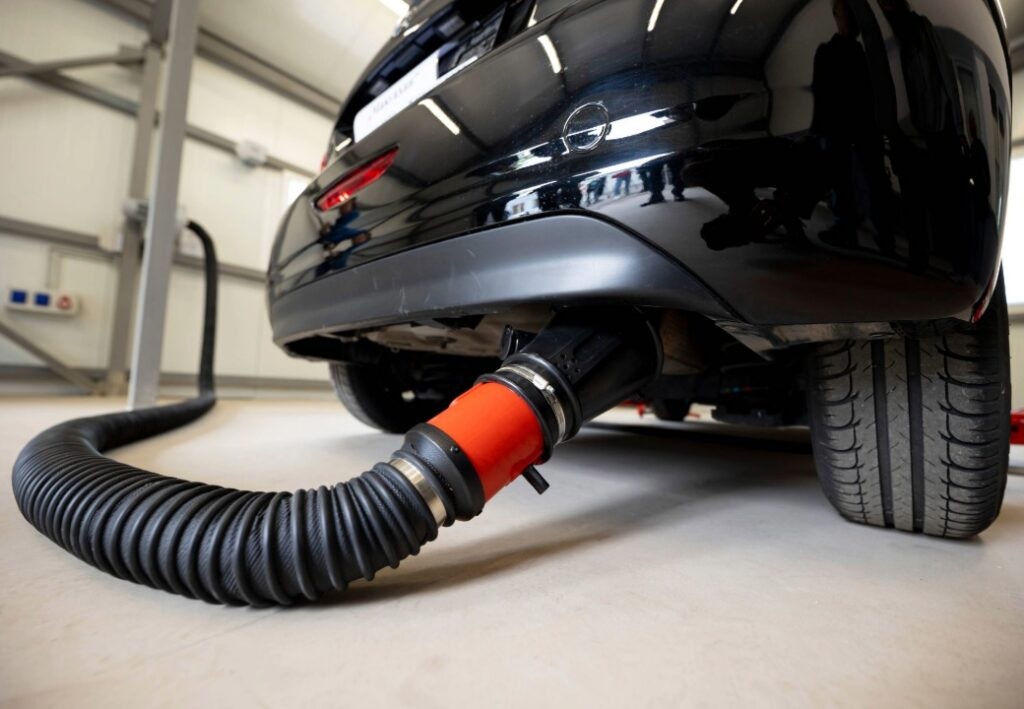
For most new petrol and diesel cars, the current requirement is called Euro 6. This standard has been in place for several years and sets limits on pollutants like nitrogen oxides and harmful particles. Any new petrol or diesel car sold today must meet this benchmark to be road legal and compliant with emissions rules.
Vans and light commercial vehicles are slightly different. While they also fall under Euro 6, the timelines and testing requirements have historically been a bit more flexible to reflect how vans are used and the loads they carry. Even so, new vans sold today still need to meet Euro 6 standards, and are increasingly affected by clean air zones and low-emission charges.

What about electric cars?
Electric vehicles used to sit outside this system entirely because they had no emissions. However, while EVs still produce no exhaust emissions and remain exempt from tailpipe limits, Euro 7 recognises that zero emissions doesn’t automatically mean zero impact overall. As a result, the new regulations take a broader view of where pollution comes from.
This doesn’t suddenly make EVs “less clean” – instead, it reflects how far the market has moved. EVs remain the cleanest option overall, but Euro 7 ensures they’re held to the same holistic standards as every other vehicle on the road.
What’s new about Euro 7?

Unlike previous updates, Euro 7 isn’t just about exhaust emissions. It also looks at things like brake dust, tyre particles and how emissions perform in real-world driving, not just in lab tests. The aim is to reduce pollution across a car’s entire lifespan, rather than focusing on the tailpipe alone.
This is also applicable to EVs – because EVs are often heavier due to their batteries, managing wear from tyres and brakes has also become part of the regulations.
What else does Euro 7 take into consideration?
One of the biggest shifts under Euro 7 is the move to a true whole-life emissions standard. Instead of proving they’re clean when new, cars will now be expected to stay within emissions limits for up to 10 years or 125,000 miles – roughly double the requirement under Euro 6. In simple terms, it’s no longer about how a car performs on day one, but how well it behaves over its lifetime.
That change has clear implications for the used market. A documented, full service history will become even more valuable, while cars with patchy histories may raise questions about whether they’ll continue to meet standards as they age.
For EVs, Euro 7 also puts more emphasis on battery durability. For the first time, an electric car’s value will be formally linked to its battery’s ability to retain charge over time. This effectively turns battery health into a regulated performance measure.
FAQs
How does this affect ULEZ and Clean Air Zones?
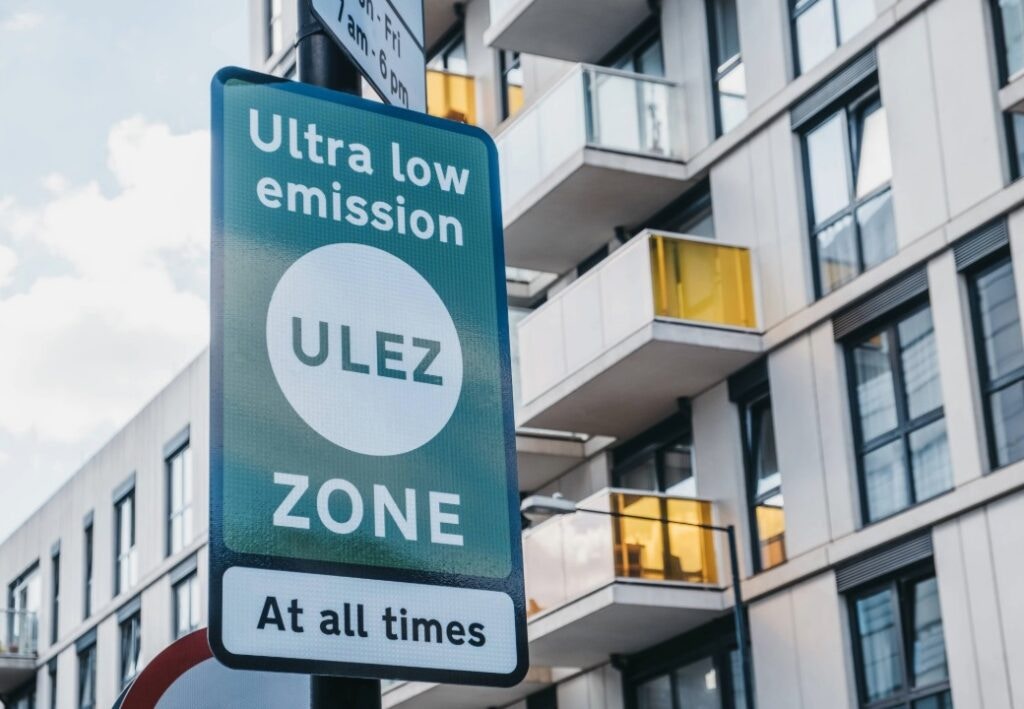
London’s Ultra Low Emission Zone (ULEZ) and Clean Air Zones (CAZ) in other cities such as Birmingham are a real-life way of reflecting the Euro emission standards. If a vehicle doesn’t meet the required standard, you may have to pay an expensive daily charge to drive your car through the zone.
In most cases, these zones are aligned with Euro 4 for petrol vehicles and Euro 6 for diesel vehicles. Vehicles that meet or exceed those standards can usually enter without charge, while those that don’t (usually older models) face daily fees designed to discourage higher-polluting traffic. Electric vehicles, producing no exhaust emissions, are exempt entirely, which is one of the reasons they’re seen as future-proof in an increasingly regulated landscape.
These zones won’t update their rules overnight, but it is likely that further regulations will continue to come into effect in and around city centres in future.
Will Euro 7 cars be more expensive to buy?
In the early years, it’s likely that Euro 7 cars will cost more to buy. Meeting stricter emissions rules requires more advanced technology, whether that’s improved exhaust after-treatment on petrol and diesel cars, additional sensors and monitoring systems, or tougher requirements around non-exhaust emissions like brakes and tyres. All of that adds complexity and cost at the manufacturing stage, which typically feeds through to list prices.
It’s also worth looking beyond the upfront price. Euro 7 cars are designed to be cleaner for longer and more robust in real-world driving, which can support stronger residual values and better long-term appeal. For buyers planning to keep a car for several years, that future-proofing can help offset a higher purchase price, especially when you eventually come to sell on.
Will the new regulations make older vehicles lose value?
In the short term, Euro 6 petrol and diesel vehicles remain firmly within today’s standards and continue to meet ULEZ and Clean Air Zone requirements. For most drivers, that means there’s no instant drop in value the moment Euro 7 is introduced – your car doesn’t become “out of date” overnight.
However, Euro 7 does influence how the market thinks over time. As newer models enter the market with lower emissions, tighter controls and stronger future-proofing, buyer expectations naturally shift. Euro 6 cars still do the job perfectly well, but they begin to sit in the previous generation of vehicles. That subtle change in perception can slowly affect demand, particularly among city buyers who are more exposed to emissions rules and running cost considerations.
The impact won’t be uniform across all vehicles. Well-maintained Euro 6 cars with sensible mileage are likely to remain desirable for years, especially in areas without strict clean air policies. By contrast, older diesels and vehicles already close to compliance thresholds may feel pressure sooner, as buyers weigh up longevity and future restrictions.
It’s helpful to be aware of upcoming rules and regulations in the car market, but it’s unlikely you’ll need to make any overnight decisions about selling your car. Whenever you choose to sell, and whatever Euro standard your car meets, you can get your free, instant valuation with Motorway here – 84% of sellers get more than the average market price valuation.*
The information provided on this page is for general informational purposes only and should not be considered as professional advice.