MOT changes in 2026: What drivers need to know

An MOT test is a mandatory annual inspection that checks whether a vehicle meets the UK’s legal safety and environmental standards. Most cars require their first MOT after three years, followed by a yearly test.
While the core purpose of the MOT stays the same, the Driver and Vehicle Standards Agency (DVSA) regularly updates testing rules and guidance. These changes can affect car owners, garages and testers, especially as modern vehicles introduce new technology and heavier designs.
Our guide explains what the 2026 MOT updates mean for drivers.
- MOT frequency is not changing
- The end of ghost MOTs
- Stricter rules for MOT testers
- New equipment requirements for heavier cars
- Updates to the MOT inspection manual
- FAQs
Here are the key MOT changes for 2026:
1. MOT frequency is not changing
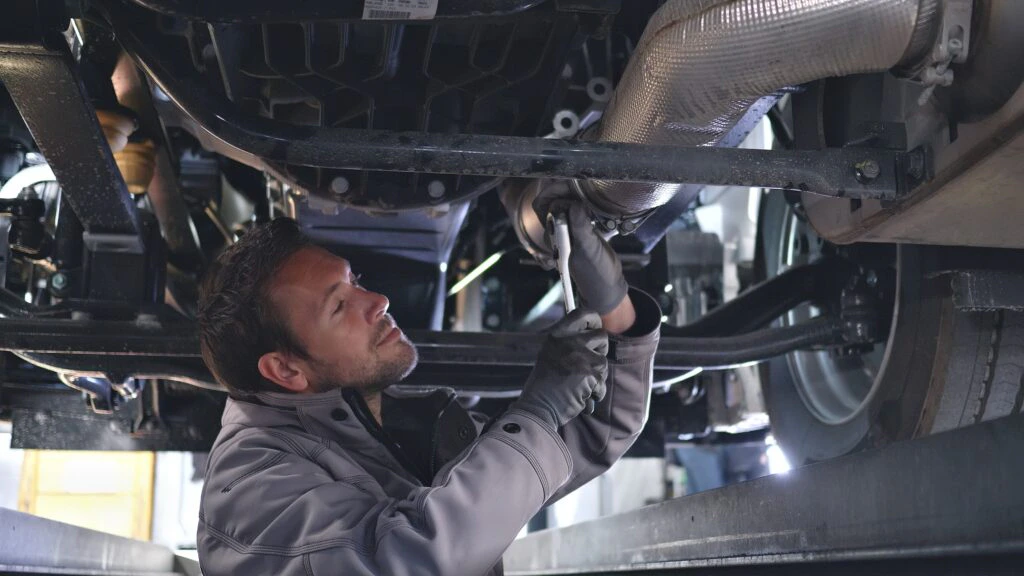
Despite speculation online about moving the first MOT to four years, the government has not announced any plans to change the schedule.
The current rules remain: your first MOT is due after 3 years and then every year after that.
So there’s nothing new for you to remember about your MOT due date. (You can use that brain power for something else, maybe a crossword?)
2. The end of “ghost MOTs”
The DVSA is cracking down on fraudulent MOT certificates, sometimes known as “ghost MOTs”.
A ghost MOT happens when a vehicle is issued a pass certificate without ever being properly inspected.
To combat this, the DVSA is introducing stricter oversight, including:
- Digital evidence requirements
- Mandatory photographs of vehicles during testing
- Improved monitoring of test station activity
These measures help prove that the vehicle was physically present in the testing bay.
Why it’s great for you? It means you can have greater confidence that your MOT result is genuine.

3. Stricter rules for MOT testers
Making sure MOT tests are carried out properly is a key focus of the 2026 changes. MOT testers who commit serious breaches can face bans of two to five years.
This includes offences such as:
- Issuing fraudulent passes
- Skipping required inspection checks
- Misusing testing equipment
The aim is simple: every MOT pass should represent a genuine inspection.
It’s another win for drivers as you’ll get stronger consumer protection.
4. New equipment requirements for heavier cars (From April 2026)
This one’s for the mechanics and technicians out there.
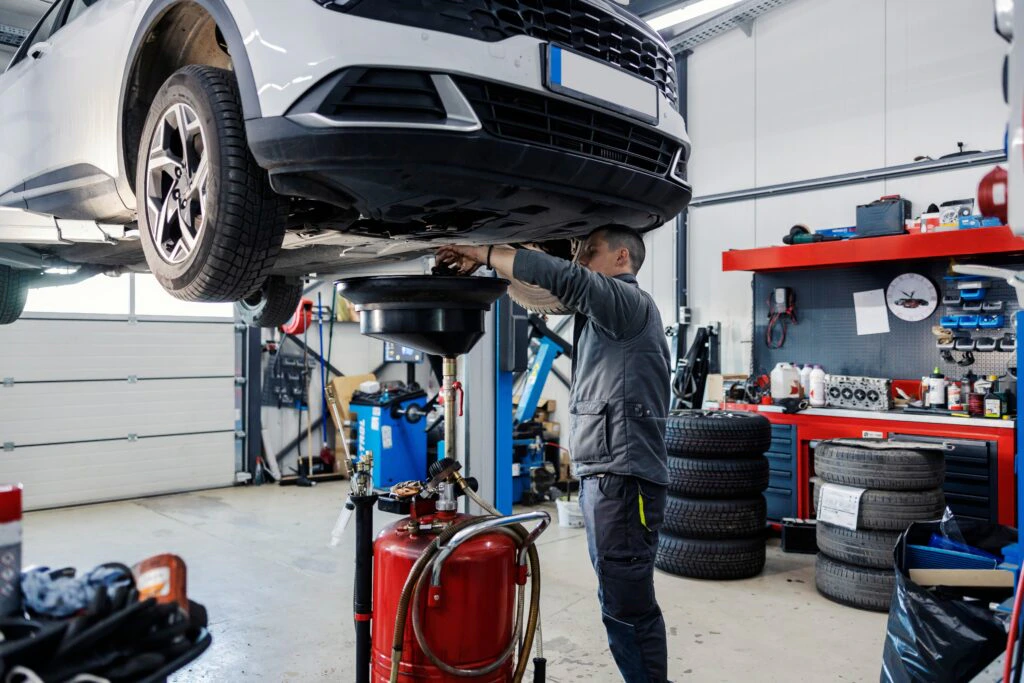
With modern vehicles being heavier than older cars, from April 2026, new MOT stations or those making major changes will need higher-spec equipment to ensure tests are performed safely.
This includes:
- 2-tonne jacking beams
- Stronger lifting equipment
- Updated inspection systems
5. Updates to the MOT inspection manual
Modern vehicle technology is changing – and fast. So the DVSA is also updating and clarifying parts of the MOT inspection manual to reflect this and ensure MOT testing keeps pace with modern vehicles.
Areas receiving more focus include:
- AWD braking tests
- Guidance is being clarified to ensure all-wheel-drive vehicles are tested safely and accurately.
- TPMS (Tyre Pressure Monitoring Systems) – these must still be working correctly, with clearer guidance for testers.
- Electronic safety systems
Modern vehicles rely increasingly on electronic safety features, and the inspection manual is evolving to reflect these systems.
Selling your car? Your MOT still matters
If you’re planning to sell your car, it’s worth checking your MOT status first.
Cars listed on Motorway need at least two weeks of MOT remaining. This helps ensure dealers can confidently bid on your vehicle and helps keep the sale process running smoothly.
If your MOT is close to expiring, renewing it before listing could help you sell faster.
FAQs
Has MOT frequency changed?
No. The first MOT is still required after three years, followed by annual tests.
Are diesel MOT rules stricter?
Diesel emissions tests remain in place, and enforcement continues to target vehicles with removed or modified emissions equipment, such as DPFs.
Are photos taken during an MOT?
Yes. The DVSA is introducing requirements for digital evidence and photography to help prove the vehicle was inspected.
Is ADAS tested during an MOT?
Most Advanced Driver Assistance Systems (ADAS) are not directly tested yet, but the MOT inspection manual continues to evolve as vehicle technology develops.
What changed in the MOT inspection manual?
The DVSA has clarified guidance for areas such as AWD braking tests, TPMS systems and electronic safety technology.
The information provided on this page is for general informational purposes only and should not be considered as professional advice.