Should I fix repairs before I sell my car?

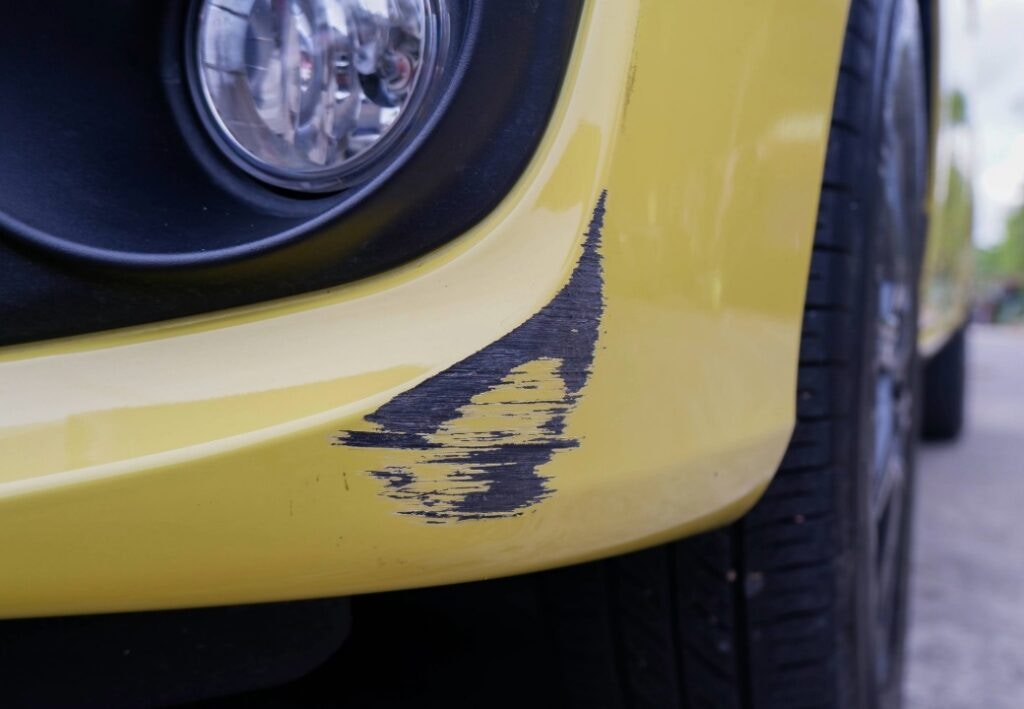
When you’re getting ready to sell your car, you might start thinking whether fixing those little (or not-so-little) problems is worth it. Sometimes, investing in some small repairs can make a real difference to how your car is valued or how quickly it sells. But in other cases, you’re better off leaving things as they are and saving the money.
A scuffed bumper, worn tyres or a warning light on the dash can all feel like deal-breakers – but repairs cost money and not every fix pays you back. Understanding which repairs add value and which ones don’t can help you decide where to spend – and where to save – before you sell.
When you sell with Motorway, you’ll need to declare any wear and tear on your vehicle. Our network of dealers base their offers on the information provided in your vehicle’s profile, so they need to know about any marks or damage, no matter how superficial. If your vehicle has imperfections that are not disclosed before the sale, it may result in a reduced offer from the dealer, or even a full cancellation.
Read on to see our tips on how to prepare your vehicle for sale and get the most for your money. When you’re ready to sell, head to Motorway for your free, instant valuation.
- Does my car need to be working to sell it?
- Should I fix mechanical issues?
- Should I fix cosmetic issues?
- FAQs
Does my car need to be working to sell it?

First and foremost, your car needs to be in running condition to be sold through Motorway. We’re unable to list vehicles that don’t start or drive at all, including scrap cars and vehicles that have previously been written off (including Category C, D, N and S vehicles).
That said, if your car is genuinely at the end of the road, you’re not left stuck. Motorway works with specialist scrap partners who do buy broken-down, written-off or non-running vehicles. We can help connect you to them if that’s the most appropriate route.
However, it’s worth pausing before writing a car off entirely. If the issue is something relatively minor – like a flat battery or a simple electrical fault – fixing it should be your first move. Bringing a car back to life can significantly increase its value and open up far more selling options. In many cases, the cost of a basic repair is easily outweighed by the uplift in price once the car is running and can be sold through the main marketplace.
Dashboard warning lights must be assessed individually, some are acceptable for sale at the discretion of the seller, while others require a diagnostic report before sellability can be determined. Certain safety-critical or serious mechanical faults must be resolved before the vehicle can be listed.
Should I fix mechanical issues?
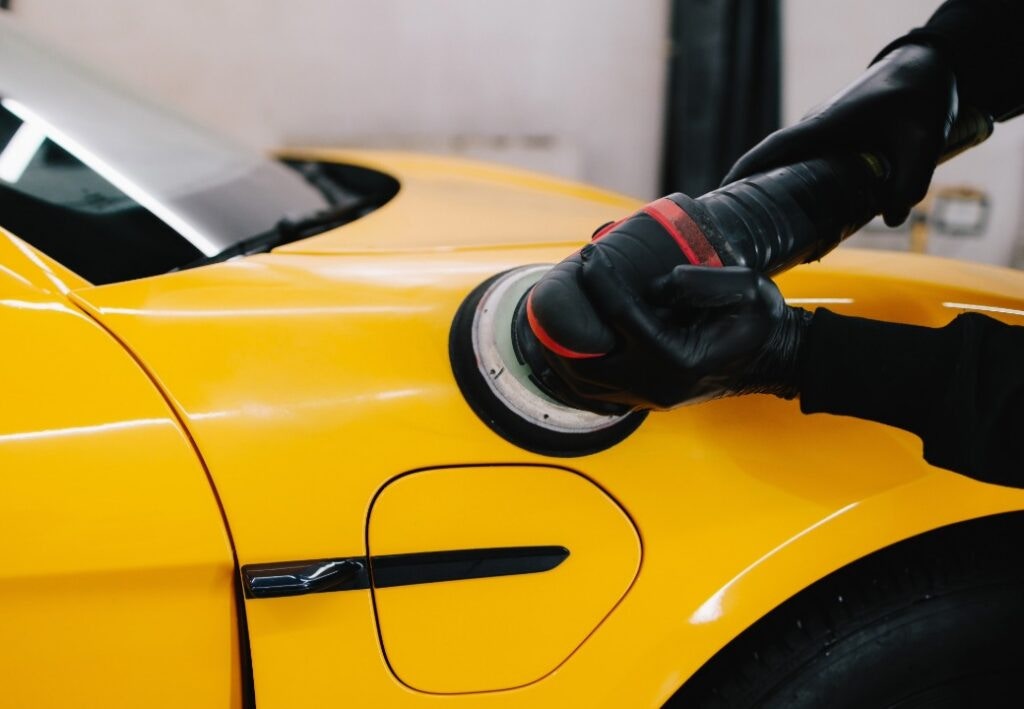
One of the first questions to ask yourself is whether the issue is mechanical or purely cosmetic. A scuffed bumper or small dent might catch your eye, but from a dealer’s perspective, those are usually straightforward fixes. Paintwork can be repaired quickly and relatively cheaply, and most dealerships have trusted bodyshop partners to handle cosmetic touch-ups.
Mechanical issues, or gaps in a car’s history, are a different story. Regular servicing shows the car has been maintained properly, reduces uncertainty, and supports stronger valuations. A full service history is often worth far more than a fresh bumper respray. When it comes to protecting value, keeping the fundamentals solid will usually deliver a better return than polishing the surface.
Your car needs to have a valid MOT certificate, with at least two weeks’ validity, in order to sell with Motorway. As such, any major repairs that may have caused it to fail an MOT, such as brake repairs, clutch replacements or cambelt issues, will have to be rectified before you sell.
Likewise, your tyre condition will also come into play. The minimum legal tyre tread depth is 1.6mm – if your tyres are close to this, it may make it illegal to drive, meaning a dealer would be unable to collect it and drive it safely. This is also true for split or cracked tyres. You don’t need brand new tyres in order to sell your car, but anything too close to the legal limit risks stalling your sale.
Should I fix cosmetic issues?

When you sell with Motorway, we list your car to our network of over 8,000 verified dealers. Most of those dealers will have the tools and equipment to fix small dents and scratches much easier (and to a better standard) than any at-home repairs. As such, it’s often worth holding back on fixing any cosmetic repairs before selling.
However, any damage is taken into account when you list your car. Excessive wear and tear, such as multiple dents and visible scratches, will impact the value of your vehicle and may mean dealers are less willing to place a higher bid.
For example, if your alloy wheels are damaged – with kerb scuffs or chips to the trim – we generally do not advise that you go to the trouble of getting them repaired, unless the cost of this is covered by your insurance. When you upload your vehicle photos to your profile, the condition of your alloys will be assessed, and this will be factored into the guide price that is set for your vehicle.
FAQs
What if the repairs cost more than my car’s value?
Pouring money into major fixes rarely makes sense if you’re unlikely to see that spend reflected in the final sale price. In situations like this, selling the car as it is – with full transparency about the issues – is often the more practical option.
There are also times when a car simply isn’t economically viable to repair, particularly if it’s older or has significant mechanical faults. In those cases, it may be better to explore alternative routes, such as specialist buyers who are set up to handle vehicles in poor condition, or simply to scrap the vehicle instead. Focus on repairs that add value and avoid chasing fixes that leave you out of pocket with little to show for it.
What is the average price for common repairs?
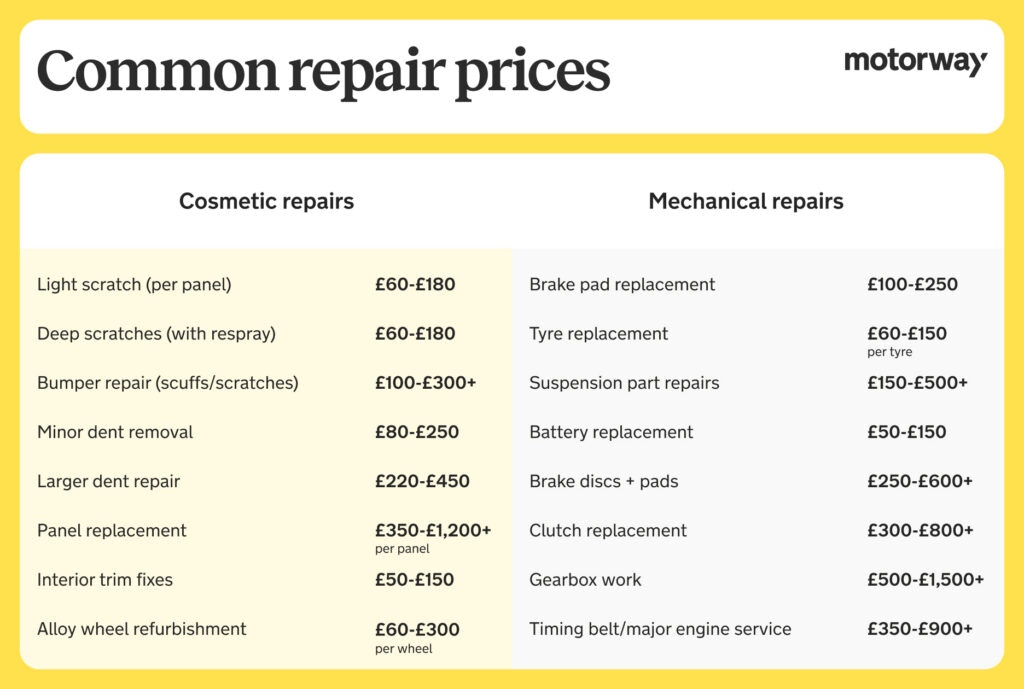
Here are some estimated average repair prices for minor damage. In many cases, dealers can fix scrapes and panels fairly straightforwardly, meaning it’s not worth investing the time or money yourself. A tidy bumper or panel repaint can sharpen your listing, but it’s worth comparing quotes first.
The information provided on this page is for general informational purposes only and should not be considered as professional advice.