What is the safest way to accept payment when selling a car in the UK?

Bank transfer is the safest way to accept payment when selling your car in the UK. It gives you a verifiable record, same-day visibility of funds, and protection that cash or cheques simply cannot match. When you sell on Motorway, dealers pay by secure bank transfer as standard. But if you are selling privately, your buyer may suggest a different method. Here is what you need to know about each option, so you can protect yourself and get paid with confidence.
Key Takeaways
- Bank Transfer: The most secure method; funds usually arrive within 1-3 days.
- Cash: Risky for private sales and illegal for UK businesses to use for car purchases.
- Cheques: Highly discouraged due to the risk of bouncing, lack of paper trail, and long clearing times.
- Finance: You must settle any outstanding car finance before a legal sale can be completed.
- Verification: Never release the keys or the vehicle until you have confirmed the funds are in your bank account.
Cash
Accepting a large amount of cash might sound straightforward, but it carries real risks:
- Counterfeit notes. Without a way to verify every note, you could end up short and have no recourse.
- No proof of payment. Cash leaves no paper trail, which can make disputes impossible to resolve.
- Personal safety. Walking around with thousands of pounds in your pocket puts you in a vulnerable position.
- Counting errors. Getting the total wrong on the spot can lead to a tense, difficult conversation.
If a buyer insists on cash, consider completing the handover inside a bank, where staff can verify and count the notes for you. For private buyers, there are no legal restrictions on paying in cash, but that does not make it the safest choice.

Cheque
Cheques are increasingly rare as a payment method, but when large sums are involved, some car buyers still prefer them. The problem is that a cheque heavily favours the buyer. They do not need to share bank details or prove the funds are available, leaving you in a vulnerable position.
There is no guarantee a personal cheque will not bounce, and you will usually have to wait several days for it to clear before you can access the money. In the meantime, you should not hand over the keys or sign over ownership.
What about banker’s drafts? A banker’s draft (sometimes called a cashier’s cheque) offers a bit more security because the bank guarantees the funds. However, they can still be forged. If a buyer presents a banker’s draft, contact the issuing bank directly to verify it is genuine before accepting it. Do not rely on any phone number printed on the draft itself.
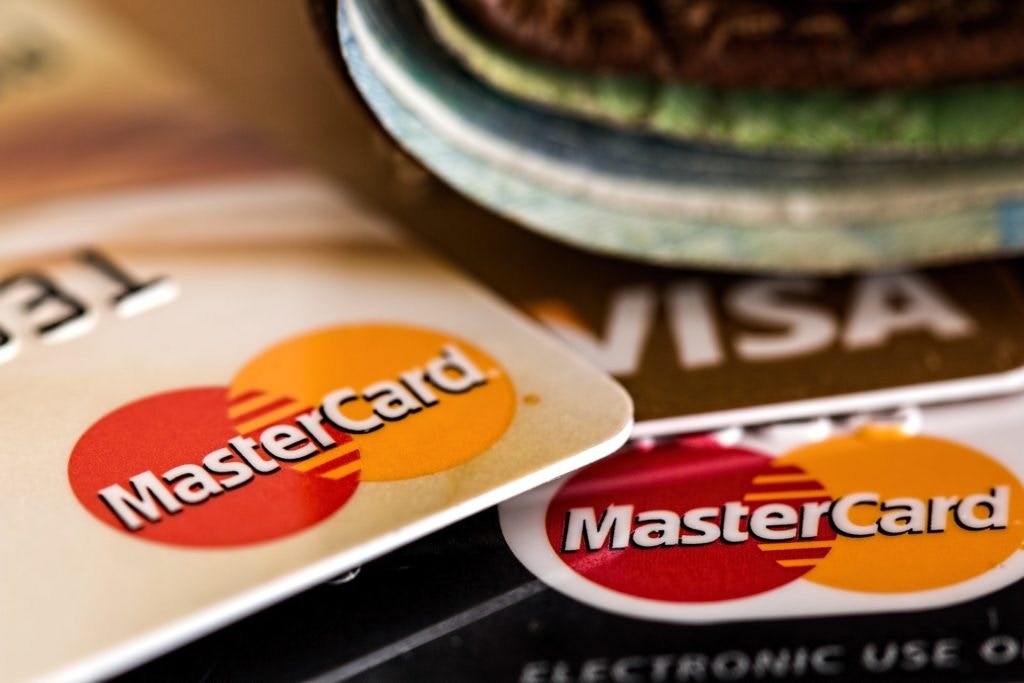
Bank transfer
A bank transfer is the most secure way to accept payment for your car. The buyer sends money directly to your account, giving you a clear, traceable record of the transaction.
In most cases, a Faster Payment will arrive the same day. Some transfers, particularly larger sums or those between different banks, can take one to three working days.
How to protect yourself with a bank transfer:
- Wait for the funds to clear. Do not hand over the keys or sign the V5C until you can see the money in your account.
- Keep a record. Save a screenshot of the payment confirmation and ask the buyer to do the same.
- Use a bill of sale. A simple written agreement with the buyer’s name, address, the agreed price, and the date of sale gives both sides a clear record.
If a buyer seems reluctant to pay by bank transfer, treat that as a warning sign. A genuine buyer should have no issue sending money directly to your account.
Most companies will buy your car using a bank transfer of some kind, and payment will usually arrive the same day or within one to three days.
Digital payment apps
Apps like PayPal or other peer-to-peer payment services might seem convenient, but they are not designed for large transactions like car sales. Here is why you should be cautious:
- Transaction limits. Many apps cap the amount you can send or receive in a single transfer, which may not cover the full sale price.
- Fees. Some services charge a percentage on transactions, eating into the amount you receive.
- Reversals and disputes. Payments made through apps can sometimes be reversed or disputed by the buyer, leaving you without the car and without the money.
For the security and traceability of a car sale, a direct bank transfer is a far better option.

Frequently asked questions
When selling a car, what is the safest payment method?
Bank transfer is the most secure option. The money goes directly to your account, and both sides have a clear record of the transaction. In many cases the funds arrive the same day, though it can take one to three working days.
Once you see the money in your account, you can hand over the keys with confidence. If a buyer pushes back on a bank transfer, treat that as a reason to pause before proceeding.
If you sell on Motorway, dealers pay by secure bank transfer as standard.
Can I sell my car if I still have finance left on it?
Not until the finance is settled. A car that has been purchased on finance does not legally belong to you until all payments are made, so you cannot sell it while money is still owed. It is illegal to sell a financed car without telling the buyer about the outstanding balance.
You have two main routes:
- Pay off the remaining balance yourself before the sale.
- Sell to a dealer who is willing to settle the finance as part of the transaction. Ask your finance company for a settlement letter so the exact amount owed is clear.
If you are unsure where to start, our guide on selling a car on finance walks you through the process step by step.
How do I stay safe when handing over my car to a private buyer?
A few simple steps protect you at the point of handover:
- Wait for the money first. Do not hand over the keys or sign over the V5C until you can see the funds sitting in your account.
- Meet somewhere safe. A bank branch, a busy car park, or a police station safe-exchange zone are all sensible choices. Avoid meeting at your home address if you can.
- Bring a friend. Having someone else present adds a layer of comfort and safety.
- Keep a paper trail. Save a screenshot of the payment confirmation and agree a simple bill of sale that both parties sign, noting the car’s registration, mileage, and the amount paid.
If anything about the buyer or the payment feels off, it is fine to walk away.
What are the warning signs of a car payment scam?
Most payment scams follow a recognisable pattern. Watch out for:
- Overpayment offers. A buyer sends more than the agreed price and asks you to refund the difference. The original payment will later bounce, leaving you out of pocket.
- Pressure to accept unusual methods. A buyer who insists on PayPal, a money transfer app, or a third-party escrow service you have never heard of should raise a flag. Bank transfer is the standard for private car sales in the UK.
- A cheque or banker’s draft that “needs to clear.” These can be forged. If a buyer insists on a cheque, verify it directly with the issuing bank before you release the car. Do not rely on confirmation from the buyer.
- Urgency and excuses. Scammers often create pressure to act quickly or explain away red flags. Take your time, and never release the car before payment is confirmed.
If you sell through Motorway, dealers pay by secure bank transfer as standard, so you know exactly what to expect before the car changes hands.

Is it time to sell your car?
Want to learn more about owning, maintaining, and selling your car? Check out more of our guides here, covering everything from finding buyers, to negotiating a good price, and completing payment safely.
The information provided on this page is for general informational purposes only and should not be considered as professional advice.