Van valuation – the ultimate guide

If you’re thinking about selling your van, you’re in the right place. This guide will help you understand what your van is really worth, so you can sell with confidence and get a fair price.
Working out your van’s value is not always straightforward. Private and trade prices can vary significantly, and many van owners find the number they had in mind does not match what buyers are willing to pay.
The good news? Once you understand what drives your van’s value, you can make smarter decisions about when and how to sell.
At Motorway, you can get a free van valuation and sell your van with a great offer from a nationwide network of 8,000+ verified dealers. So you’re bound to get a fair and accurate price and see your van quickly sell. But there are other ways, too.
And having a good idea of your van’s trade value can save you time and money. Not only is it helpful to put an accurate insurance figure down when it comes to renewal, but if you come to sell to a dealer or even place a private advert, you’ll know a reasonable price to aim for.
Understanding what can affect the price of your van will also give you the chance to sort things that need fixing or avoid the pitfalls of depreciation altogether.
Vans can be worth different amounts depending on the buyer and seller, so prices can vary from place to place across the country. Remember, your van is only worth what someone is willing to pay!
Van valuation explained:
- What determines van value?
- Van value factors
- The market value of a van
- Who buys and sells vans?
- Why do van valuations vary between buyers?
- Which factors determine the market value of your van?
- Van value and depreciation
- How to maintain your vans value
- Van value check – where to get a van valuation?
- Online van value calculators
- Scrap value of vans

What determines van value?
Your van’s value comes down to two things: supply and demand. If more buyers want what you have and fewer sellers are offering it, your van is worth more.
Some makes and models hold their value better than others, particularly those from manufacturers with a strong reputation for reliability or desirable trim features. And if your van has a rare spec or an addition to standard kit that a buyer has been searching for, it will be worth more to them than all the other vans on sale.
The used van market is enormous. Vans are far more limited than used cars, which can be differentiated by engine choice and specs. Often, there’s only one engine choice and a couple of trim levels.
While this simplifies the new van buying process, it can often level the playing field regarding used models. Higher-spec vans can be incredibly similar in price to more basic ones.
There are also the more obvious factors to consider…
What factors affect your van’s valuation?
- 🎂 Age
- 🛣️ Mileage
- 🧽 Condition
- 🧑 Previous owners
- 🌈 Colour
- 🚚 Specification
- 🛻 Brand
- 📂 Documents and service history
- 🛡️ Warranty status
- ⛽ Emissions
- 🗺️ Location
- 🍂 Time of year
- 🛒 Method of selling
When it comes to used car valuation, age and mileage are the biggest key factors in determining price, and vans are no different.
The older your van, the less money it will be worth. There’s no getting around that. Even if your van isn’t that old, it will be worth less if it has done thousands more miles than what is average for its age.
Manufacturers with a well-known reputation for reliability will also help your van’s price. For example, a Mercedes Vito will always hold its money better than a Citroen Relay.

You’ll also see higher prices for practical extras like ply van lining, security upgrades, sat nav systems, and professional-quality modifications. While ply lining is standard on many vans, not all have it, and it is easy enough to add yourself.
One thing to watch: poor-quality or heavily personalised modifications can actually hurt your van’s resale value. Buyers want extras that are useful and well fitted, not DIY jobs that raise questions about the van’s condition.
If your van has particularly high emissions, expect it to sell for less. Since many diesel vehicles are being charged for entering towns and cities these days, buyers should look for vans that emit the least pollution, especially if they’re going to be driven in the London ULEZ.
While you can legally sell a van without the V5C document, it’s not recommended. Not having a V5C is likely to lower the price you can get for your van, and it also raises questions when you come to sell both privately and to the trade.
The market value of a van
How you might buy and sell a van is forever changing, which is why specialist companies such as Glass’s HPI and CAP exist. They offer used market prices for almost any vehicle to dealers and other automotive companies for a fee.
However, the average seller needs to know how to make the most money from the deal on offer when it comes to changing vans.

Who buys and sells vans?
When the time comes to sell your van, there are more than a few options:
- 🧑 Sell to a private buyer.
- 🧑💼 Sell to a van dealer or part exchange.
- 💻 Sell using an online van buyer.
- 🧲 Sell your van for scrap.
As a rule of thumb, you’ll get the most money by selling directly to a private individual. You can list your van on classified ad sites, online marketplaces, or specialist vehicle listing platforms.
You can also go down the old-school route and place an advert in a local shop or on a community noticeboard. It is worth checking out local Facebook buying and selling groups or other online community pages.
Selling privately can mean pocketing anywhere from 5-30% more than what a dealership or trader will offer.
But that extra cash can often come at the cost of increased hassle. If you take your van to a dealer, a part exchange is usually pain-free, quick, and easy. Private sales can take weeks.
Another option, and a great one if your van is older, is scrappage schemes. Many manufacturers offer van scrappage schemes and even provide dedicated help to motorists and businesses in the London ULEZ zone.
Why do van valuations vary between buyers?
Selling privately will usually get you more money for your van. You’re selling directly to the person who’ll use it, with no middleman involved, so more of the value stays with you.
Your van may also have something a private buyer has been searching for — an obscure option, a rare spec, or simply better condition than everything else they’ve seen. Private buyers are also less likely to have done in-depth market research, so they work from a rough ballpark rather than trade data.

When you sell to a dealer or car-buying service, they need to buy at a price that leaves room for their time, refurbishment, and profit. They handle large volumes of vans, know the common faults, and understand going market rates, so they’ll negotiate accordingly or walk away if the numbers don’t work.
At the bottom of the chain are scrap dealers, who specialise in vans with little remaining road value. Some offer free collection, but that convenience is reflected in a lower offer.
Which factors determine the market value of your van?
Market value can be a combination of the 12 factors we’ve listed above, but age and deprecation are the most significant elements when lowering your van’s price.
As mentioned, increased miles will also impact, but less so with commercial vehicles. As long as the maintenance and servicing have been kept up, buyers will overlook mileage that’s just above average.
Location can also matter. If you’re in the countryside where fewer people live or are far from major towns or cities, your van will take longer to sell. You’re also likely to get less money for it if potential buyers have to travel a long way to view it.
However, locations with more potential buyers also mean there will be more sellers. You’ll soon find that everyone starts trying to undercut each other just to sell their van.
When it comes to scrap, the bigger and heavier your van is, the more you’ll get for it. This is because scrap vehicles are based solely on weight.
Van value and depreciation
Depreciation is the difference between the price you pay for your van and the price you eventually sell it for. It is the single biggest factor in how much value your van loses over time.
All new vehicles, especially vans, drop in value as soon as you drive them away from the dealership. That is because they are now classed as used.
Depreciation hits hardest during the first year or two of ownership. By year three, most vehicles have lost up to 50% of their original value.

If you purchase a new van, you should try to keep it for at least the first three years; even then, you’re still likely to lose a lot when it comes time to sell.
Some models fare better than others. Make sure you research to find out what brand of van holds its value best. You’ll probably find they’re the same price to buy new, but one will sell for hundreds, maybe a thousand pounds more when it comes to selling.
You can find depreciation calculators online. It’s also worth reviewing our complete car depreciation guide, as the fundamentals are the same for vans.
How to maintain your van’s value
Buyers want to purchase a van that looks in good condition and has been well cared for. The same goes for cars.
Little knocks and scuffs can be forgiven more with commercial vehicles. They are not typically their owners’ pride and joy. But fixing scrapes or damage before you sell can net you more money come sale time.
If your van has sign writing or business branding, it is worth having it professionally removed before selling. No buyer wants to drive around advertising someone else’s business, and it can noticeably reduce what they are willing to pay.

Missing trim pieces, broken clips, dented panels, and minor scratches can all be fixed without costing a fortune. So-called “smart repairs” from mobile repair specialists are a cost-effective way to sort cosmetic damage like scraped bumpers, kerbed alloy wheels, and small dents before you list your van.
It is also worth thoroughly cleaning your van before you sell. Paying for a valet-style wash inside and out will get it looking its best without you having to put in the elbow grease. Stained seats and a dirty load area can put buyers off more than you might expect.
Oh, and ensure you keep up to date with maintenance. A full-service history is important for selling to private buyers and trade dealers.
Where can you get a van valuation?
There are two ways to get a valuation for your van: either visit a local van dealer or use an online van valuation tool at home.
If you visit a dealership, someone will walk around your van and give it a proper appraisal, noting any damage or issues that will affect the price. You will get a more accurate valuation, but the price could be driven down harder.
Taking your van to a dealer may get you a better deal if you’re purchasing a new van, but make sure that offer is on top of any other negotiation. So it’s best to show interest in a new van, negotiate, and then say you want to part-exchange.
But what about online van valuations?

Online van valuation tools
Opening a new webpage is far easier than traipsing around dealerships all day. What may take hours can be condensed into minutes.
Now, the valuations you receive will be a rough ballpark figure. That’s because the vehicle can’t be checked over, nor has any of the paperwork been seen. So, use it as a middle ground, and don’t expect a dealership to offer it instantly.
There are plenty of online van valuation tools available, and most work in a similar way. You enter your registration number and mileage, and the tool returns an estimated value based on market data.
When choosing a valuation tool, look for one that:
- Uses live market data rather than outdated price books
- Gives you a valuation based on your van’s actual mileage, not just an estimate
- Is free to use with no sign-up required to see your result
- Connects you to a genuine way to sell, not just a number on a screen.
Motorway’s van valuation does all of the above. You get a free, instant valuation powered by real sale data, and if you decide to sell, your van goes in front of 8,000+ verified dealers who compete to give you their best price. It is the quick and easy way to sell your van.
Frequently asked questions
How can I find out what my van is worth?
The quickest way is to use a free online van valuation tool. Enter your registration number and current mileage to get an instant estimate based on your van’s make, model, age, and market data.
Online valuations give you a solid starting point, but they work from the information you provide rather than a physical inspection. For a more accurate figure, get a free van valuation on Motorway. You’ll receive real offers from 8,000+ verified dealers, so you can see exactly what your van is worth right now — with no fees and no obligation to sell.
Is 60,000 miles a lot for a van?
Not necessarily. Vans are built for demanding, high-mileage work and can run reliably well beyond 150,000 miles when serviced regularly. Average annual mileage for a van sits around 15,000–20,000 miles, so 60,000 on a four-year-old van is roughly what you’d expect.
As long as the service history is complete and the van is in good condition, buyers will often overlook mileage that’s slightly above average. Where buyers do pay close attention is evidence of regular maintenance — so a full service history carries more weight than a low odometer reading alone.
Want to know how your van’s mileage affects its value? Get a free van valuation on Motorway to see what it’s worth in the current market.
Scrap value of vans
If your van is very old, has a serious fault that is not worth fixing, or has been written off and is not economical to repair, scrapping could be the most practical option.
As a rough guide, if your van’s value is £300 or less, it is often easier to scrap it than to try to find a private buyer.
You could even sell the useable parts or advertise the whole thing as ‘spares or repair’. You’ll get more than you would from a scrap yard, but it can be incredibly time-consuming.
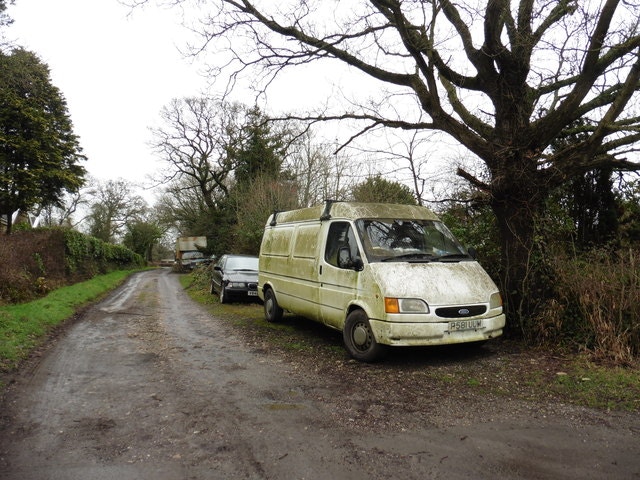
If no scrappage schemes are running that apply to you or take your fancy, the best option is to use our scrap buyer comparison service. We can quickly get multiple quotes and easily compare the best scrap and recycling prices.
The scrap value of your vehicle could be so low that the only option is to contact local scrap dealers. Depending on the size of your van, you’ll get roughly £60-100.
Ready to sell your car?
Want to read more about owning, valuing and selling your car? Check out more of our guides here, covering everything from depreciation and maintaining your car’s value. Understand your car’s worth in the wider market.
The information provided on this page is for general informational purposes only and should not be considered as professional advice.