HPI Check – the ultimate guide
Buying a used car? An HPI check is one of the smartest ways to protect yourself from fraud, hidden finance, and costly surprises. You’ve probably seen it recommended everywhere, and for good reason. But not all vehicle history checks are equal, and knowing what should be covered will help you choose the right one. In this guide, we’ll explain what an HPI check is, what data is included, why it matters, and the various options and costs.
Before we start, if you are yet to sell your vehicle and want to know your car’s value , try out our easy to use Car Value Tracker.
If you’re buying a car and need one reason to spend a few minutes with this HPI Check guide, just consider that published HPI data suggests that an astonishing 1 out of every 3 cars checked has something to hide, so don’t get caught out unnecessarily by scrimping on checking costs.
Key Takeaways
- Hidden Risks: Approximately 1 in 3 used cars checked by HPI has a hidden history, such as outstanding finance or being a write-off.
- Comprehensive Data: A full HPI check covers over 80 data points, including stolen vehicle status, insurance write-offs, and mileage discrepancies.
- Free vs. Paid: While the DVLA offers free MOT and tax status checks, they do not provide critical data on finance or theft. A paid report is necessary for full protection.
- Cost alternatives: Basic vehicle history checks typically start from around £6 to £14 via third parties, while official pricing start from £10 to £30.
- VIN Verification: Always cross-reference the Vehicle Identification Number (VIN) during the check to ensure the car hasn’t been cloned.

The HPI Check explained:
- What is an HPI Check?
- What does an HPI Check tell you about a car?
- What is in an HPI Check report?
- How can I get a free HPI Check?
- Get an HPI check from VIN number
- How much is a HPI Check?
- Does the DVLA do HPI Checks?
- Can HPI Check for trade?
- Who offers the best HPI Check?

What is an HPI check?
An HPI check is a comprehensive vehicle history report that reveals critical information about a used car, including whether it has outstanding finance, has been stolen, written off, or scrapped. It is designed to protect buyers from fraud and hidden problems before they commit to a purchase.
The name has become so well known that it’s part of everyday language, much like ‘Google’ or ‘Hoover’. HPI Ltd, the company behind the official HPI check, is a British company (owned by an American firm since 2008) that offers vehicle history checks on any vehicle registered in the UK with the DVLA.
The name is actually abbreviated from Hire Purchase Information. The firm was originally created to provide reports for used car buyers .
And HPI has a long history. It was founded way back in 1938 by six leading finance companies in response to a rise in car fraud. People were getting hold of cars on hire-purchase finance agreements, and then going to another company to borrow money against it.
To stop the finance fraud it was agreed that each company would share their data with HPI Ltd and that they would all have access to the shared database.
But the original HPI Check has expanded a lot over the years. The company now works alongside the police, DVLA, and insurers. This makes for a wealth of data available on each vehicle.
That helps to uncover the 1 in 3 cars that HPI have found with issues for the next potential buyer, such as an active finance agreement or loan in place on it.
Who is an HPI check useful for?
Knowing the history of a vehicle is incredibly helpful if you’re a potential car buyer. That’s especially true if you’re considering purchasing from a private seller. The rules are more relaxed than for used car dealers, and you might not get the full story.
When you’re looking to buy a second-hand car, you can check for obvious mechanical faults. You might also find the Vehicle Identification Number (VIN) or go through paperwork including service histories and MOT records .
It’s also worth checking the V5C logbook itself. According to GOV.UK guidance, you should make sure it has a ‘DVL’ watermark and that the serial number doesn’t fall within ranges flagged as potentially stolen. If something doesn’t look right, contact the police before going any further.

But how will you know if the car has outstanding finance or been in an accident ? What if it’s previously been stolen, is a Category N write-off (previously known as Cat D), or even been recorded as officially exported from the UK? You could be left out of pocket for a car that is either illegal to use, or might actually still belong to a lender or finance company.
What other benefits come with an HPI check?
Getting a full report on the history of a vehicle is useful in other ways, too. You can check the MOT status and history of any vehicle online. You can also make sure of the vehicle’s current road tax status .
The HPI Check also includes vehicle identification data, previous owners, registration plate changes, previous colours, and mileage verification. All of which can potentially flag up something that’s not quite right about the car for sale.
What does an HPI check tell you about a car?
An HPI check tells you whether a car has outstanding finance, has been reported stolen, written off by an insurer, recorded as scrapped, or flagged with mileage discrepancies. It also covers ownership history, registration plate changes, import or export records, and vehicle identification data.
In short, it tells you whether a car is being sold legally and is legally allowed to be driven on UK roads. That helps you avoid being caught out or scammed when you’re buying your next car.

You’ll be given a full report with a helpful summary covering everything that has been checked during the process. You also get tips on what else might be needed, such as contacting the manufacturer if there’s a recall outstanding. Or other discrepancies that may just need additional research before you spend any money.
What does an HPI check include?
A HPI Check is a comprehensive vehicle history report which goes through more than 80 data points about a car. They include:
Stolen Car Check: When a car is reported as stolen, the registration details are added to the Police National Computer. The HPI Check will include this information.
Insurance Write-Off: Category A and B insurance write-offs need to be taken off the road and scrapped, so you definitely don’t want to buy one which has been put back on the road. If you’re buying a Category S or N car (formerly Category C and Category D) , you need to know about it to ensure it’s been repaired properly.
Outstanding Finance: If money is still owed on the car, then the lender or finance company will legally own it until the debt has been paid. So the registered keeper on the logbook might not actually be the owner. If you buy that car without realising, and fail to make payments, you might lose your vehicle, and the money you paid for it.
Logbook Check: The logbook (V5C document) records the registered keeper of a vehicle. It can be used to take out a ‘logbook loan’, or to hide a stolen or cloned car.
Scrapped Car Check: If a car has been recorded as scrapped on the DVLA database, as an insurance write-off or for any other reason, then it shouldn’t be driven or sold.
Imported/Exported Cars: You can import a car into the UK, but there are specific processes for registering parallel or grey imports. They may cost more to insure, or not be approved to ever use on UK roads. If a car has already been registered as officially exported from the country, it can’t be legally used or insured in the UK.
Vehicle Identification Data: You can check the correct Vehicle Identity Number (VIN or chassis number), and the engine number all match with the official records. This helps to reveal stolen or cloned cars, or if other serious problems have occurred with the vehicle.
Vehicle Specifications: Including details of the correct colour (in case it has been changed and not registered as such), equipment, fuel consumption and CO2 emissions .
Car Valuation: Not just how much you should potentially pay for a private or forecourt sale at a dealership (or receive as a trade-in), but also a fully comprehensive car valuation including a calculation of future depreciation .
Safety Recall Check: Some vehicles are recalled by the manufacturer due to a serious safety defect. A comprehensive HPI check will flag whether a recall has been issued for the vehicle, so you can confirm with the manufacturer whether the required work has been carried out before you buy.
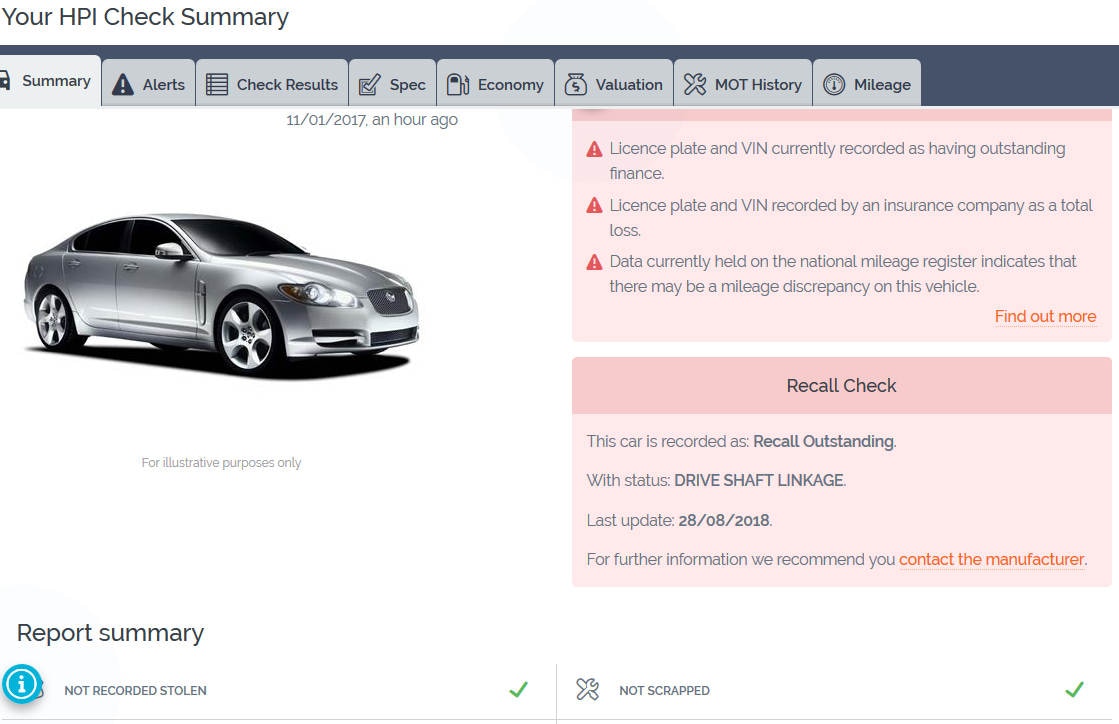
You’ll also get additional data that comes from the DVLA including the recorded mileage for verification, and the MOT status and history.

How can you get a free HPI check?
The simple answer is that you can’t get a free HPI Check. Unless you get someone else to pay for it.
Alternative vehicle history check services are available, and we’ll cover some of the cheaper options later in this guide. But you’ll only get the full data if it’s been supplied by a dealer as part of their sales package, for example.
There’s a simple reason for some confusion over free car checks. The DVLA allows some of their data to be accessed online without any cost, including the MOT status of a vehicle, and current road tax.
A number of independent websites offer basic free car checks that cover DVLA MOT history and recall data, with no sign-up required. Some also link through to paid providers if you need a more detailed report.
These free tools can save you a few minutes by pulling together publicly available data. But they won’t cover outstanding finance, stolen vehicle records, or insurance write-off history, which are the checks most likely to save you from a costly mistake.
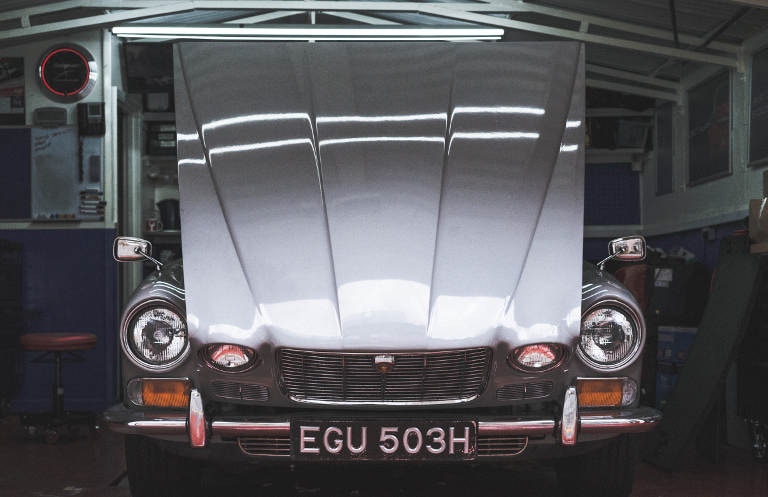
So, a free car check could save you a few minutes by collecting all the readily-available information in one place. But if you only rely on it, you could end up seriously out of pocket as it won’t have all the data for outstanding finance and loans, or stolen and written-off cars.
Can I run an HPI check using a VIN number?
Yes. Most vehicle history check services, including HPI, run a VIN check as part of every standard report. If you have the car’s registration plate, the VIN check is included automatically.
On their website they state the below:

If you only have the VIN and no registration plate, you can still run a check. Services like uk.vin-info.com let you search by VIN directly. The Vin is usually visible through the windscreen on the dashboard, be sure to check both sides, as position varies by manufacturer, it’s a 17-character code.
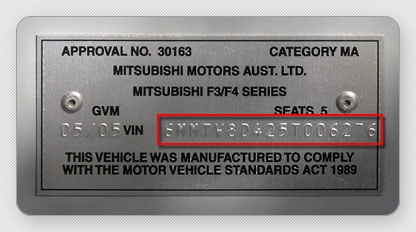
There’s no fully free VIN check that covers finance, theft, or write-off data. Basic free tools pull DVLA information only, which won’t flag outstanding finance or a stolen record. For a complete picture, you’ll need a paid vehicle history report.
Can I check a VIN for free?
You can access some free vehicle information using a VIN, but it’s limited. The DVLA allows you to check basic details, like make, model, and colour, for free. Some services like uk.vin-info.com let you search by VIN without a registration plate and return basic data at no cost.
However, a free VIN check won’t include:
- Outstanding finance or loans on the vehicle
- Whether the car is recorded as stolen on the Police National Computer
- Insurance write-off status
- Mileage discrepancy flags
For that level of detail, you’ll need a paid vehicle history report. Given that HPI data shows one in three cars checked has something to hide, the cost of a full check is small compared to the risk of buying a car with hidden problems.
How much does an HPI check cost?
Prices vary depending on the provider and the level of detail you need. HPI offer three tiers directly through their website at hpicheck.com , a basic check, a full check, and a multi-check bundle. Visit their site for current pricing, as costs are updated periodically.
A number of other providers offer equivalent vehicle history reports, often at a lower price point. Some services sell HPI data under their own brand, and these can sometimes be cheaper than going to HPI directly while using the same underlying data.
As a general guide, expect to pay from around £3 to £9 for a basic report, and £9 to £20 for a comprehensive check with a financial guarantee. Always confirm what’s included before you buy, particularly whether outstanding finance and theft checks are covered.

What options do HPI offer for their check?
HPI offers multiple tiers of check, each covering different levels of detail:
- Basic: Covers the essentials, including outstanding finance, stolen vehicle status, insurance write-offs, and import/export records
- Standard: Includes the full range of data points across all categories, plus vehicle specifications and valuation data
- Multi-check: A bundled option for checking several vehicles at a reduced per-report cost, useful if you’re comparing cars
HPI also offers optional add-ons such as safety recall checks. Pricing and product bundles change regularly, so check hpicheck.com for the latest options and costs.
Are there cheaper alternatives to an HPI check?
Yes, several other companies offer vehicle history reports that draw on similar databases to an official HPI check. They vary in price, depth of data, and the level of financial guarantee included. Here’s what to look for when comparing options:
- Data coverage: Make sure the report includes stolen vehicle checks, outstanding finance, insurance write-offs, and mileage verification at a minimum
- Financial guarantee: Some providers include a guarantee (typically £10,000 to £30,000) that covers you if the data turns out to be inaccurate
- Price range: Basic single-vehicle reports typically cost between £6 and £14. More comprehensive checks with higher guarantees tend to sit between £10 and £30
- Bundled checks: If you’re viewing multiple cars, look for multi-check deals that reduce the per-report cost
- White-label reports: Some well-known motoring brands sell vehicle history checks powered by third-party data providers. These can sometimes be cheaper than going to the data provider directly, though the guarantee level may differ
It’s worth comparing a few options before you commit. The cheapest report isn’t always the best value if it’s missing key data or comes without a guarantee.
Does the DVLA do HPI checks?
No, the DVLA does not offer HPI checks or full vehicle history reports. But you can access a range of useful vehicle information directly from the DVLA for free, using just the car’s registration number.

According to GOV.UK’s used vehicle checklist, you can:
- Check the vehicle’s details (make, model, colour, engine size, CO2 emissions) match what the seller has told you
- View the current MOT status and full MOT history, including recorded mileage at each test
- Check when the current road tax expires
- See whether a safety recall has been issued for the vehicle
What the DVLA won’t tell you is whether a car has outstanding finance, has been reported stolen, is an insurance write-off, or has been recorded as scrapped. For that, you’ll need a paid vehicle history check.
Is there an HPI check for trade?
If you run a business in the motor trade, you can also sign up for HPI Checks. The benefits of trade HPI Checks are both for ensuring you’re buying the right used cars, and also to demonstrate the provenance of your vehicles to potential customers.
The features of a trade HPI Check are generally the same as for a private enquiry, except that you can also add additional features including CAP valuations, National Mileage Register checks, and the HPI vehicle monitor, which will tell you if anyone else has recently checked the same vehicle through HPI.
There’s also a mobile app which includes a full history of all checks made, and the last 100 checks stay on your phone so you can revisit and recheck any car.
Trade accounts require you to contact Cap HPI directly to create an account with them.
Which vehicle history check should I choose?

The right choice depends on what data you need and how much you want to spend. Here’s what to look for:
- Data coverage: Make sure the check includes outstanding finance, stolen status, insurance write-offs, and mileage verification. These are the four most important signals.
- Financial guarantee: Reputable providers offer a guarantee, typically between £10,000 and £30,000, if the data turns out to be inaccurate and you lose money as a result.
- Data sources: Look for checks that draw from the Police National Computer, DVLA, finance companies, and insurance databases (MIAFTR).
The official HPI Check draws from all of these sources and comes with a £30,000 guarantee. Several other providers use the same data under licence and may offer a lower price with a reduced guarantee, typically £10,000.
If you’re buying from a private seller, a full check with a strong guarantee is worth the extra cost. If a dealer has already provided a report, check which data sources it covers before relying on it.

Ready to sell your car?
Want to read more about owning, valuing and selling your car? Check out more of our guides here, covering everything from depreciation and maintaining your car’s value. Understand your car’s worth in the wider market.
- How much is your car worth? Complete Guide
- How to use a car buying site
- How to sell your car
- V5C – the ultimate guide to the V5 logbook
- Cat D cars: the complete guide to category D
- Scrap your car
- MOT: the ultimate guide to MOT tests and certificates
- The DVLA and selling your car
- Is my car insured? How to check your car has insurance
- What insurance group is my car? How to check your car’s insurance group
- Car tax: the ultimate guide
The information provided on this page is for general informational purposes only and should not be considered as professional advice.