ZEV Mandate explained: UK rules, targets and impact
- What is the ZEV Mandate?
- How the ZEV Mandate works
- ZEV Mandate targets by year
- Recent government changes and policy timeline
- What the ZEV Mandate means for drivers and the EV market
- Challenges, criticisms and industry concerns
- Support measures linked to the ZEV Mandate
- Frequently asked questions
What is the ZEV Mandate?
The ZEV Mandate is a UK government policy that requires car and van manufacturers to sell a rising proportion of zero-emission vehicles each year. It is one of the UK’s primary tools for accelerating the shift away from petrol and diesel and towards cleaner transport. If you drive, buy, or sell cars, this policy will shape what is available to you and at what price.
What “zero-emission” means
In the context of this policy, a zero-emission vehicle (ZEV) is one that produces no tailpipe emissions during use. In practice, that means battery electric vehicles (BEVs) and hydrogen fuel cell vehicles. Hybrids, including plug-in hybrids, do not qualify.
Why the UK introduced the mandate
The UK committed to reaching net zero carbon emissions by 2050. Road transport is one of the largest sources of domestic emissions, so shifting new car and van sales towards zero-emission models is central to that goal. The mandate gives manufacturers a clear, legally binding framework rather than relying on voluntary action.
ZEV Mandate vs the petrol and diesel phase-out date
These are two separate policies. The mandate sets annual sales targets for manufacturers right now. The phase-out date is the future deadline after which new petrol and diesel cars can no longer be sold. Understanding the difference matters because the mandate is already in effect, while the phase-out date is still years away.
- ZEV: zero-emission vehicle, producing no tailpipe emissions
- ICE: internal combustion engine, covering petrol and diesel vehicles
- Phase-out date: the deadline for ending new ICE car sales, currently set at 2035
How the ZEV Mandate works
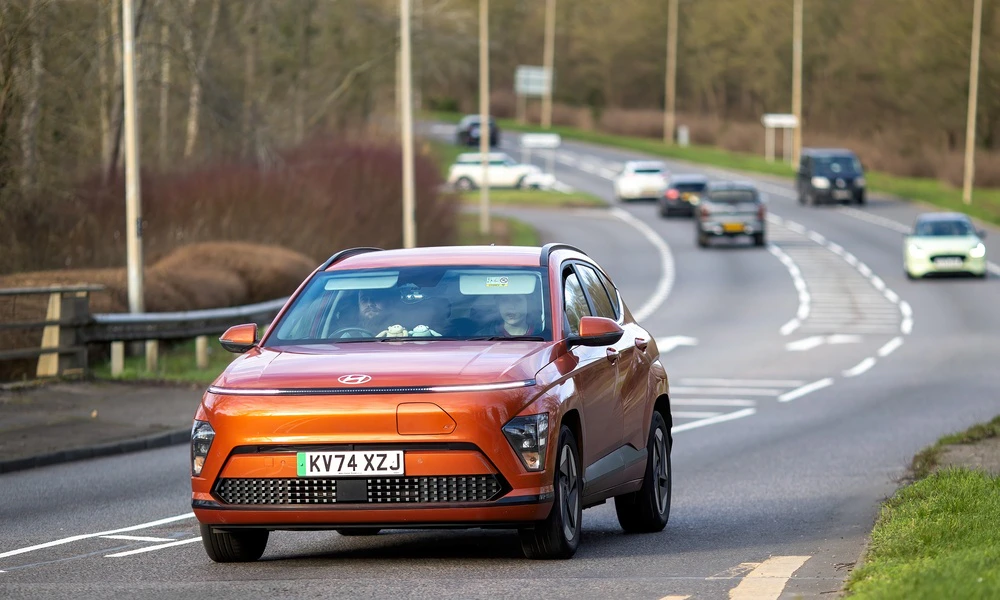
Each year, manufacturers must ensure a set percentage of their new car and van sales are zero-emission. The percentage rises annually. Manufacturers who fall short face financial penalties, but the policy includes flexibility mechanisms to help them manage compliance.
Annual sales targets explained
Every manufacturer selling cars or vans in the UK is assigned an annual ZEV obligation based on their total sales volume. If a manufacturer sells 100,000 cars and the target is 22%, they must sell at least 22,000 zero-emission models that year.
Certificates, banking and trading
Manufacturers earn ZEV certificates for each qualifying vehicle sold. They can bank surplus certificates for future years or trade them with other manufacturers. This creates a market-based flexibility mechanism that rewards early movers.
What happens if manufacturers miss targets
Missing the target without sufficient banked or borrowed certificates triggers a fine. The penalty is currently set at £15,000 per vehicle short of the obligation. That creates a strong financial incentive to comply.
How vans are treated differently from cars
Vans have separate, lower targets than cars, reflecting the more limited range of zero-emission van models currently available. The trajectory still rises year on year, but the starting point is more gradual to account for commercial operator needs.into range and charging bills, especially for drivers who cover long distances regularly.
| Mechanism | What it means | Why it matters |
| Annual target | A set % of sales must be zero-emission | Creates a binding legal obligation |
| Banking | Surplus certificates carried forward | Rewards over-performance early on |
| Borrowing | Future certificates used against current shortfall | Provides short-term flexibility |
| Trading | Certificates bought or sold between manufacturers | Allows market-based compliance |
| Fine | £15,000 per vehicle below obligation | Enforces progress as a last resort |

ZEV Mandate targets by year
The targets increase steadily, giving manufacturers time to adjust production and supply chains. Here is the confirmed schedule for cars and vans from 2024 to 2030.
Car targets from 2024 to 2030
| Year | Car target (%) | Van target (%) | Notes |
| 2024 | 22% | 10% | First year of mandate |
| 2025 | 28% | 16% | |
| 2026 | 33% | 24% | |
| 2027 | 38% | 34% | |
| 2028 | 52% | 46% | Significant step-up |
| 2029 | 66% | 58% | |
| What the 2031–2035 targets mean
Targets beyond 2030 are expected to reach 100% by 2035, in line with the phase-out date for new petrol and diesel car sales. Exact figures for those years are subject to future legislation and government review. Why the ramp-up is designed this wayThe gradual increase through 2027 gives manufacturers time to scale EV production. The steeper jump from 2028 onwards reflects the expectation that supply chains, battery costs, and consumer demand will have matured significantly by then. Recent government changes and policy timelineThe ZEV Mandate sits within a broader sequence of UK policy decisions on clean transport. Understanding the timeline helps you see what has actually changed versus what was simply announced. Net zero commitment and the 2030 announcementIn 2020, the UK government announced a target to end the sale of new petrol and diesel cars by 2030. This was one of the most ambitious phase-out dates globally and set the direction for the ZEV Mandate framework. The shift to 2035 and the policy reviewIn 2023, the government revised the phase-out date to 2035, citing manufacturer readiness and consumer affordability concerns. The ZEV Mandate itself remained in place, but the final deadline shifted by five years. Later updates, consultations and industry support measuresSince 2023, the government has run consultations on flexibility mechanisms, van targets, and support schemes. The 2024 mandate launch confirmed the annual targets above, alongside a package of grants and charging infrastructure commitments.
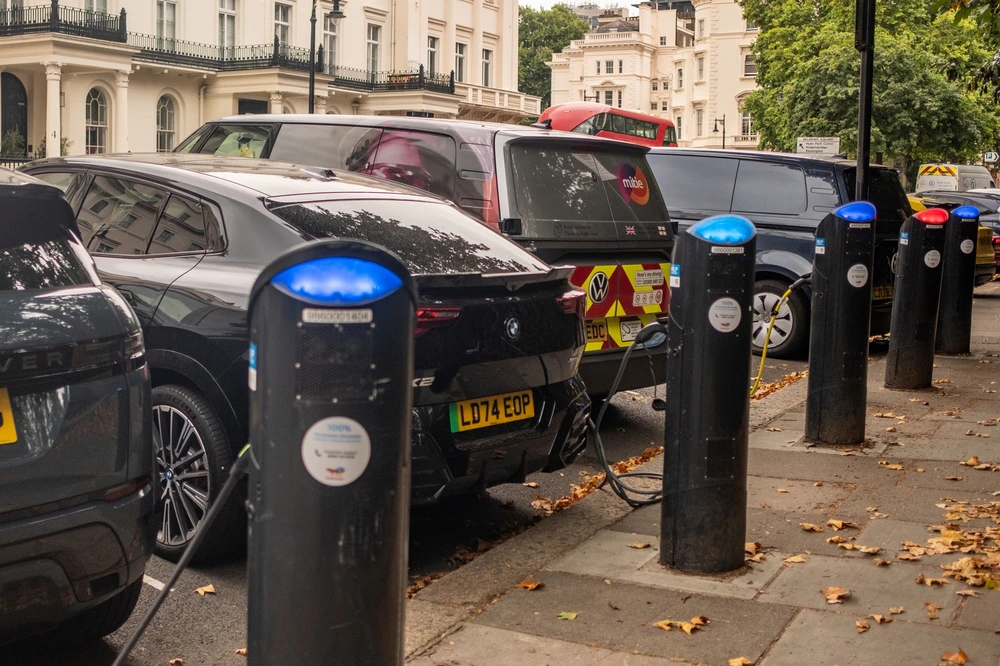
What the ZEV Mandate means for drivers and the EV marketThe mandate is designed to push more zero-emission cars and vans into the market each year. For you as a driver or buyer, that should translate into more choice, more competitive pricing, and a broader range of models over time. Effects on EV choice and pricingAs manufacturers are required to hit rising EV sales targets, they have a strong incentive to offer competitive prices and attractive finance deals. More supply and stronger competition should put downward pressure on EV prices, particularly in the mainstream segments. Impact on charging infrastructure and grantsThe mandate runs alongside £4 billion in government investment in public charging and home chargepoint grants. More EVs on the road creates commercial pressure to expand charging networks, which in turn reduces one of the biggest barriers to switching. What it means for fleet and van buyersFleet operators and van buyers will see growing availability of zero-emission models as manufacturers work to meet van-specific targets. Businesses with company car schemes also benefit from favourable benefit-in-kind tax rates on EVs, which the mandate indirectly supports by increasing supply. Potential benefits for air quality and running costs
 Challenges, criticisms and industry concernsThe ZEV Mandate is broadly supported as a direction of travel, but it faces genuine implementation challenges. These are worth understanding if you are tracking the EV market or planning a purchase. Manufacturer readiness and compliance riskNot all manufacturers are equally positioned to meet rising targets. Some with smaller EV ranges face steeper compliance costs, compounded by parallel requirements such as Euro 7 regulations, which could lead to price adjustments or limited model availability in certain segments. Battery supply chains and trade dependenciesMost EV batteries rely on minerals and components sourced internationally. Supply chain disruption or geopolitical shifts can affect production timelines and costs, creating uncertainty for manufacturers planning to scale quickly. Rules of origin and tariff pressureRules of origin requirements under the UK-EU Trade and Cooperation Agreement mean that EVs must contain a minimum proportion of locally sourced content to avoid tariffs. Manufacturers sourcing batteries from outside the UK or EU face potential cost increases that could be passed on to buyers. Why some industry groups support the mandateMany manufacturers and industry bodies support the mandate because it provides long-term certainty for investment decisions. A clear, legally binding trajectory makes it easier to justify factory retooling, battery supply agreements, and model development pipelines. Support measures linked to the ZEV MandateThe government has paired the mandate with a set of financial incentives and infrastructure investments. These are designed to make EV adoption more accessible for private buyers, businesses, and van operators. Grants for vans and commercial usersThe plug-in van grant provides a discount off the purchase price of eligible new zero-emission vans. The amount varies by vehicle type and is applied at point of sale, reducing the upfront cost for businesses and sole traders. Home and workplace charging supportThe EV chargepoint grant covers up to £500 per charge point in home chargepoint installation costs for eligible drivers. Workplace charging schemes offer similar support for businesses installing chargepoints for staff or fleet vehicles. Vehicle discounts and purchase incentivesThe UK now offers an Electric Car Grant of up to £3,750 off eligible new EVs, and manufacturers are also expected to use their own incentives to drive EV sales and meet mandate targets. This effectively transfers the subsidy pressure onto the industry rather than the public purse. How support measures reduce adoption barriers
Frequently asked questionsWhat is the ZEV Mandate in simple terms?It is a UK rule that requires car and van manufacturers to sell a growing share of zero-emission vehicles each year. The percentage rises annually until it reaches 80% for cars by 2030 and 100% by 2035. Does the ZEV Mandate ban petrol and diesel cars immediately?No. The mandate sets rising sales requirements for manufacturers, but it does not ban petrol and diesel vehicles from being sold today. The final phase-out date for new ICE car sales is currently 2035, which is a separate policy. What happens if a manufacturer misses the target?Manufacturers can bank surplus certificates, borrow against future performance, or trade certificates with other manufacturers. If none of those options cover the shortfall, a fine of £15,000 per vehicle below the obligation applies. How does the ZEV Mandate affect car buyers?Over time, you should see a wider choice of zero-emission models, more competitive pricing, and better availability across different segments. The effects will build gradually as manufacturers scale production to meet rising annual targets. Why the ZEV Mandate mattersThe ZEV Mandate is the UK’s most direct lever for accelerating the shift to zero-emission cars and vans. It sets legally binding annual targets, provides manufacturers with flexible compliance tools, and is backed by a package of grants and infrastructure investment. For drivers, the mandate means more EV choice and improving affordability over time. For the wider market, it creates the certainty that manufacturers need to invest in the models and supply chains that will define the next decade of motoring. If you are thinking about your next car, now is a good time to understand how your vehicle’s value fits into a rapidly changing market. Thinking about selling before you make the switch to electric? Find out what your car is worth right now with a free, instant valuation based on live market data. The information provided on this page is for general informational purposes only and should not be considered as professional advice. |