Electric car depreciation — the ultimate guide

With the electric switchover on the horizon, you might be considering the future of your vehicle — is it worth selling your petrol car in order to go electric? Will an electric car depreciate faster? While there are plenty of positives to being the owner of an electric car, including potentially lower road tax costs, it’s worth thinking about the long-term picture. That means understanding electric car depreciation, and knowing how to make it work in your favour. Or, perhaps you’re thinking of selling your electric car – in that case you’ll need to know how to get the best price.
Key takeaways
- Depreciation pace: Electric cars typically lose value fastest in their first one to three years, much like petrol and diesel models.
- Top performers: Models like the Porsche Taycan, Tesla Model 3, and Polestar 2 have been among the strongest for value retention.
- Battery longevity: EV batteries typically last 10-20 years, and battery health is a major factor in resale value.
- Depreciation factors: Age, mileage, battery condition, brand demand, and newer tech all affect what your EV is worth.
- Market outlook: As charging improves and the 2035 switchover gets closer, used EVs are becoming a more confident choice for buyers.
What is car depreciation?
Car depreciation refers to your car’s loss in value as it ages. In some cases you may find this happens the moment the car becomes yours, as it is now a second-hand vehicle and not brand new. Cars will lose value over time due to age and use, as well as general demand. For example, a three year old car that has done 60,000 miles will be worth less than a one year old car that has barely lapsed 10,000.
For some people, being certain of their car’s resale value is key in their buying decision. It’s pretty unlikely you’ll ever make back what you paid for a new vehicle, but some cars will make better returns than others. And that’s no different when it comes to electric car depreciation.

What factors affect electric car depreciation?
Electric cars are subject to the same factors of car depreciation as a petrol or diesel car , but with some added extras due to their design. However, they can also enjoy the benefit of being one of the most in demand cars of the moment, and with premium brands like Tesla among current EV suppliers, buying an electric car may even be a better investment than a petrol or diesel model.
Electric car depreciation will generally be due to:
- High mileage
- Age
- Interior and exterior cosmetic condition
- Service history
- Battery condition/age
- EV type ( hybrid , full etc.)
- Number of previous owners
- Technology changes (newer models offering longer range or faster charging)
- New EV price cuts dragging down used values
- Modifications narrowing the buyer pool
Government incentives can also play a role. When generous grants or tax breaks make new EVs cheaper, some buyers will opt for new rather than used, which can put downward pressure on second-hand values. Broader shifts in sentiment matter too. Headlines about charging infrastructure, insurance costs, or policy changes can temporarily spook the market, even when the cars themselves are perfectly solid. The good news? As the EV market matures and these ups and downs level out, used electric cars are becoming a more confident choice for buyers, which helps your car hold its value.

How fast do electric cars depreciate?
How fast do electric cars depreciate?
Electric cars typically lose value fastest in their first one to three years, much like petrol and diesel models. According to the AA, a new car will lose around 60% after its first three years at a mileage of 10,000 miles a year. That makes it even more important to get the best deal when you sell your electric car .
The good news is that EVs have been performing well in recent times, with ULEZ zones and in-demand brands helping them retain value for longer. It’s also worth knowing that the last few years have been an unusual period for EV pricing, with new car price cuts and shifting incentives creating steeper drops than you might see going forward.
Back when electric cars were first becoming popular, it was harder for them to hold value — this was due to lack of demand from such a niche car. The Peugeot iOn and Citroen C-Zero, for example, both fared pretty poorly so far as residual value of electric cars is concerned due to being released at a time when public interest was low and charging stations were next to non-existent. Things have definitely changed since then.
The UK’s public charging network has expanded rapidly, and general performance has improved too, with better driving ranges per charge and quicker overall charging times. With the 2035 electric car switchover on the horizon, demand for EVs is only set to grow.

How long do electric car batteries last?
Electric car batteries last between 10-20 years. The battery is the single biggest difference between an EV and a traditional fuel car, and its condition has a direct impact on your car’s value. You might hear the term ‘State of Health’ (or SOH). This simply measures how much usable capacity your battery still has compared to when it was new. A battery with high SOH means the car can still deliver strong range, which makes it more attractive to buyers and helps it hold its value. A battery in poor condition does the opposite.
The good news is that car batteries can be easily replaced, however, there are things which can see your battery degrade in condition faster:
- Overcharging
- Extreme temperatures
- Charging immediately after driving without a battery cool-down period
- Using only rapid chargers
Generally speaking, though, this shouldn’t put you off buying an electric vehicle — petrol and diesel cars are no more immune to the wear and tear that comes with decades of use.
Does brand affect electric car depreciation?
Yes. The more in-demand a brand is, the more likely it is to still be desirable even as a second-hand vehicle. This is why electric cars from Tesla and Mercedes can buck the trend when it comes to the 60% lost value rule. There are also other considerations like congestion zone rules and low emission zones that will ensure demand for EVs remains high in certain areas — Oxford’s new low emission zone , for example.
Other factors can also come into play, including a brand’s general customer appeal and its overall offering. Vauxhall , for example, while not a high-end brand, is doing well at staving off EV depreciation because it is a much-needed affordable, family-friendly entry in the UK’s current range of electric cars for sale.

Which electric cars hold their value?
As with any other sort of car, electric car brands that are particularly sought-after will enjoy better value in the long run. According to cap hpi, some of the best electric cars for retaining value include:
Smart EQ ForFour
Arguably, Smart will always have an edge due to being a leading choice of compact car for city dwellers. And, considering the majority of electric car chargers are located in densely populated areas, this means Smart has a good chance of becoming the EV of choice for many urbanites. Reported to lose 57% of its value within three years, the Smart EQ ForFour comes up equal with standard fuel cars when it comes to depreciation.

Tesla Model X
It goes without saying that one of the world’s most in-demand brands has strong performance when it comes to electric car resale value. The Tesla Model X is one of the priciest entries in the brand’s catalogue and after three years is thought to lose only 43% of its value. Given current trends, there’s good reason to think this car will give even stronger returns depending on each would-be buyer.

Hyundai Ioniq
Referring to the full-electric version of this Hyundai model, the Ioniq’s place on the market as an affordable family car helps it keep a solid electric car resale value even three years in. Reported to lose 48% of value in that time, this model shouldn’t have trouble finding a buyer.

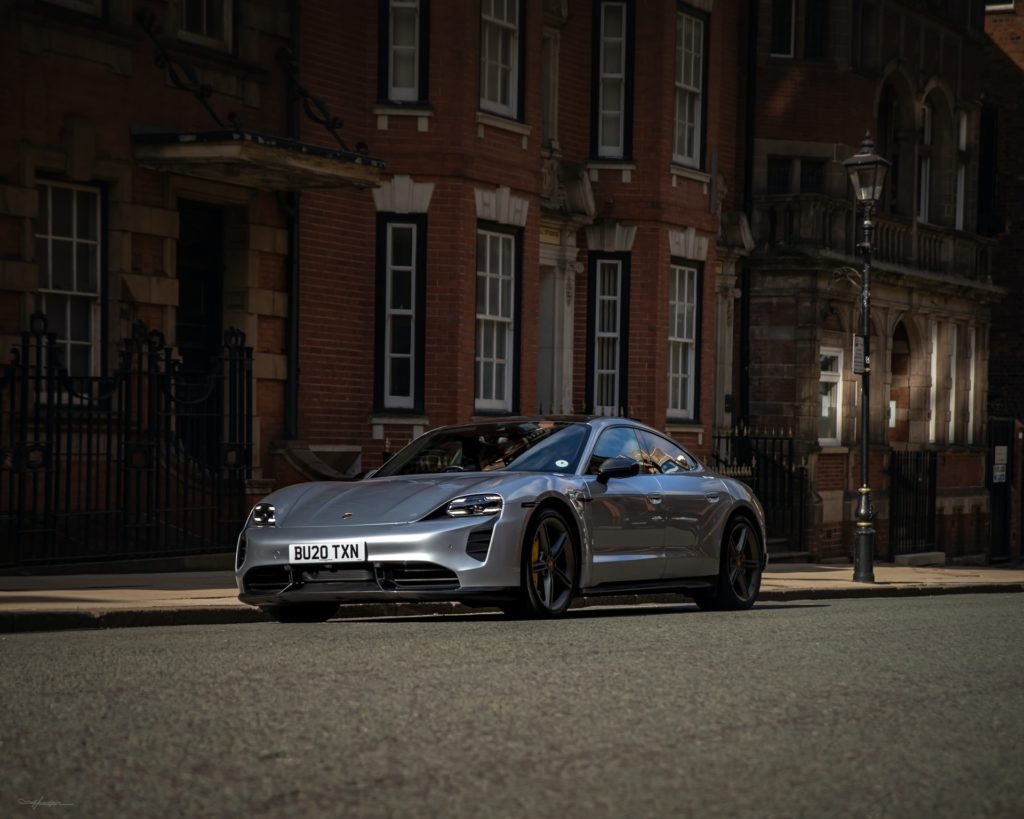
Porsche Taycan
From a premium brand, the Tayan was reported as losing only 37% of its value in three years, which is an impressive feat compared to others on this list. It’s worth noting with such high-end brands as Porsche that buyers may be thinner on the ground, but that’s just another reason to sell the Motorway way and get your car in front of 8,000+ dealers.
BMW i3
The BMW i3 is no longer in production, but it remains a popular choice on the used market. The i3 is reported to lose a little over half its value in three years. Because supply of these cars is now fixed, well-maintained examples with good battery health can still attract keen buyers.

Tesla Model 3
Another entry from all-electric premium brand Tesla, the Model 3 is one of the brand’s best for withstanding EV depreciation (a little over 40% after three years) due to also being one of the most affordable in its catalogue, ensuring demand.

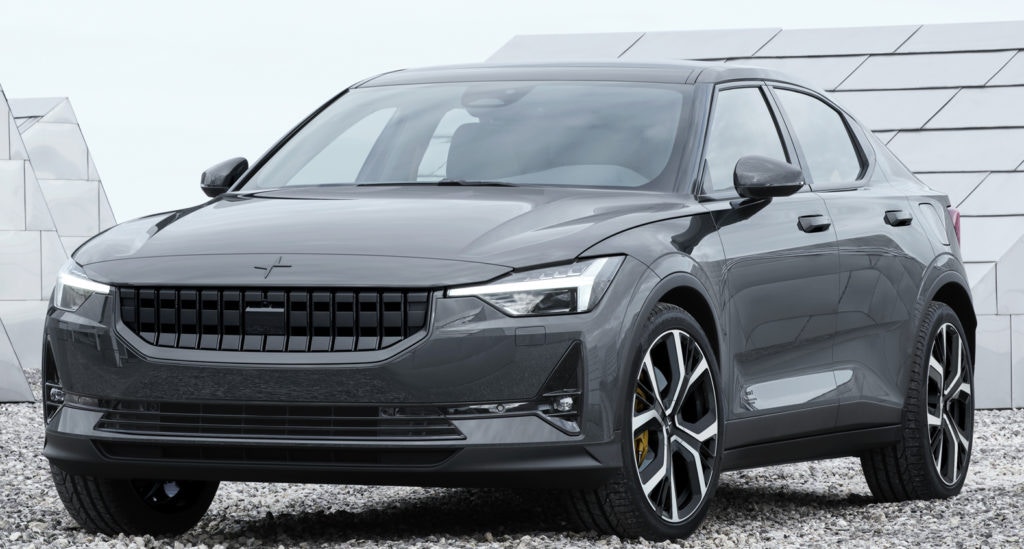
Polestar 2
Losing just 42% of value after three years, the Polestar 2 has built a strong reputation as a stylish, driver-focused EV. Its desirability and distinctive positioning in the market help it retain its value well.
Volkswagen e-Golf
The Volkswagen e-Golf loses around 49% of value over three years thanks to finding plenty of demand from second-hand buyers looking for an affordable family-friendly electric vehicle.

Do electric cars have good resale value?
Yes. While EVs historically depreciated faster than petrol or diesel cars, that gap is closing. The first year can still see a steeper drop, but after that the rate of depreciation tends to slow significantly, often matching petrol and diesel equivalents over time.
Brands including Jaguar , Mercedes-Benz, Fiat , and Volvo are all pushing towards fully electric line-ups. As more manufacturers commit to EVs and buyer confidence grows, used electric cars are becoming an increasingly attractive option.
It’s also worth remembering that what an EV may lose to depreciation, it can make up for in lower running costs, from cheaper fuelling to reduced servicing needs.

Sell your electric car
If you’ve decided to switch your car to electric, you might have a car you want to sell first. Or, perhaps you want to sell your EV while it still holds good value. Whatever the case, do it the Motorway way .
Get a free, instant valuation, then let thousands of verified dealers compete to offer their best price. There are no fees, the winning dealer collects from your home, and you get paid the same day. Simple.
- Electric cars — the ultimate guide
- How to sell an electric car
- Electric cars — should you buy or sell?
- LPG cars — the ultimate guide
- Do electric cars pay the congestion charge?
- Do electric cars need servicing?
- What is a hydrogen fuel cell car?
- What is a mild hybrid car?
- Most frequently asked electric car questions
The information provided on this page is for general informational purposes only and should not be considered as professional advice.